


tape measures
CRESTONE tape measures are designed to deliver quick, easy, and accurate measurements for professionals and DIY users alike. Built with impact-resistant housing and heavy-duty blades, these tape measures are tough enough to handle demanding job site conditions.
tape measures manufacturer and supplier in china
As a professional tape measure manufacturer, CRESTONE offer a wide range of durable, high-precision measuring tools designed for lasting performance.
Available in various lengths, each model features large, bold numbers for enhanced readability and single or double hook options for versatile use. The double-sided XL hook ensures a firm grip from either side of the blade, while maximum recoil control improves safety and convenience during operation.
Contact us today to learn more about our wholesale solutions and find the right measuring tool for your business.
Types of tape measures
Tape measures come in various types, each designed for specific measuring tasks. Whether you’re building a house, sewing a shirt, or surveying land, there’s a tape measure made for the job.
Retractable tape measures

These are the most common and widely used type, ideal for construction, carpentry, and home improvement. They feature a spring-loaded metal blade that automatically retracts into a compact case after use. The blade—usually made of steel or coated fiberglass—is rigid enough to stay straight when extended. A blade lock keeps it in place while measuring.
- At the tape’s end is a floating hook that adjusts slightly to ensure accurate inside and outside measurements.
- Standard lengths range from 3 to 8 meters (10 to 25 feet), though longer versions exist.
- Retractable tape measures are perfect for measuring straight lines, walls, furniture, and construction materials.
Tailor’s tape measures
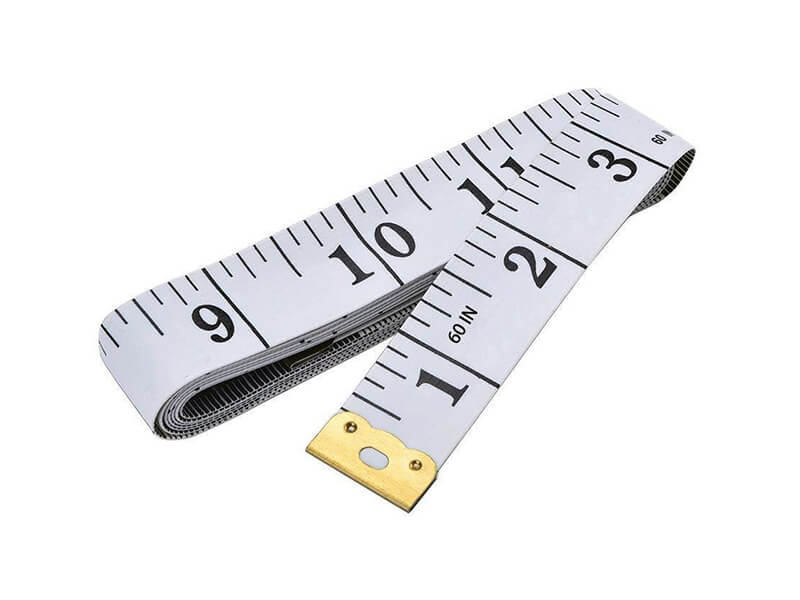
Also called soft tape measures, these are used mainly in sewing, tailoring, and body measurement. Made from flexible materials such as plastic, cloth, or fiberglass. Their flexibility makes them ideal for measuring clothing sizes, body dimensions, or rounded objects.
They typically measure up to 150 cm (60 inches) and display both metric and imperial units.
Long tape measures

As the name suggests, long tape measures are designed for extended distances—typically 15 to 100 meters—and are used in surveying, landscaping, and large-scale construction projects. They come in two main designs:
- Closed reel (steel) – the entire tape is housed in a case for protection, with a hand-crank rewind instead of an automatic return.
- Open reel (fiberglass) – the blade is wound around an open-frame reel, making it lightweight and easy to clean after outdoor use.
These long tapes provide the reach and durability needed for fieldwork and large-scale measurements.

professional tape measure manufacturer
Questions about tape measures
How to take care of a tape measure?
Proper care keeps your tape measure accurate, smooth, and ready for every job. With just a few simple habits, you can extend its lifespan and maintain top performance.
1. Clean the blade regularly
After each use—especially when working in dusty or dirty environments—wipe the blade with a dry or slightly damp cloth to remove debris.
If there’s sticky residue or oil, use a mild cleaner or rubbing alcohol on a cloth (never soak the tape).
Always dry it thoroughly to prevent rust or corrosion.
2. Store it properly
Retract the blade slowly to avoid snapping or bending.
Keep the tape in a dry place away from direct sunlight or moisture—like a toolbox or drawer.
If it has a belt clip, hang it securely when not in use.
3. Prevent rust and bending
If small rust spots appear, gently remove them with fine sandpaper or steel wool, then wipe clean.
Avoid twisting or bending the blade—it can affect accuracy and retraction.
Fix common problems
Loose or broken hook: the end hook may loosen or bend after frequent use. Check if your brand offers replacements, or consider getting a new tape if it’s damaged.
Slow or stuck retraction: dust and dirt inside the case can block the spring. Gently tap the case or clean it if possible. If the spring is broken, replacement is usually the best option.
By keeping your tape measure clean, dry, and carefully stored, you’ll ensure accurate readings and smooth performance for years. A well-maintained tape measure may be small—but it makes a big difference on every project.
How to read a tape measure?
Most tape measures show inches on one side and centimeters on the other.
- Inches are marked with large numbers (1, 2, 3…) and smaller lines for fractions like ½, ¼, ⅛, or 1⁄16 inch.
- Centimeters are numbered (1, 2, 3…) with 10 small lines between each—each line equals 1 millimeter (mm).

Read the nearest centimeter mark, then count the small millimeter lines beyond it. For example, three small lines after “9 cm” mean 9.3 cm.
Use the other side of the tape to measure in inches. For example, halfway between “2” and “3” is 2½ inches.
How to use a tape measure correctly?
Using a tape measure is simple once you know the basics. The metal hook at the tape’s end moves slightly on purpose. When you pull the tape to measure outside lengths, the hook slides outward. When you push it for inside measurements, it slides inward. This movement compensates for the hook’s thickness, keeping your measurements accurate.
Keep the tape straight and tight—a bend or sag can cause errors. For outside measurements, hook the tape onto the edge and pull across. For inside measurements, press the case against one side and read the number at the opposite end. For curved surfaces, like a bottle or waist, use a soft tailor’s tape and wrap it snugly. Use the blade lock to hold the tape in place while reading.
With a bit of practice, measuring becomes second nature—just stay steady, read carefully, and choose the right tape for each task.
How to choose the tape measures?
Today, tape measures are used everywhere—from construction sites and carpentry workshops to sewing rooms and home toolboxes—helping people take quick and accurate measurements. Whether you’re a professional builder or a weekend DIYer, a reliable tape measure is one of the most essential tools you can own.
At CRESTONE, we take pride in offering a wide range of high-quality tape measures. Designed to meet the needs of tradesmen and construction professionals, our tapes are built for accuracy, durability, and everyday reliability.
We understand that with so many options available, choosing the right tape measure can feel overwhelming. That’s why we’ve put together the following guide to help make your choice easier.

What is a measuring tape?
A measuring tape is a flexible tool used to measure length or distance. Its origins date back to ancient times—records suggest that the romans were among the first to use marked leather strips for measuring. Early versions were simple lengths of tape with brass fittings to mark precise measurements.
Modern measuring tapes are made from materials such as fiberglass, cloth, plastic, or metal ribbon, making them both durable and flexible. Essentially, a measuring tape functions as a portable, flexible ruler.
A typical tape measure includes several parts: a hook, thumb lock, blade (or tape), casing, and sometimes a belt clip. Measurement markings can be in imperial units, metric units, or both.
Inside the casing, the mechanism consists mainly of two parts: the spring coil, which retracts the tape, and the locking button, which holds the tape in place when extended. The spring provides retraction force, while the button—connected to a u-shaped tongue—locks or releases the blade for controlled use.
How to choose the right tape measure?
Choosing the right tape measure depends on your specific needs. Whether you’re working on a construction site, tackling home repairs, or crafting detailed projects, the right tape can make all the difference in accuracy and ease of use. Here’s how to choose wisely:
Match the tape to the task
Construction or heavy-duty work: choose a retractable tape measure that’s strong and long—typically 8 to 10 meters (25 to 30 feet). These are built to handle demanding jobs and outdoor projects.
- Diy and home use: a 5-meter (16-foot) tape is compact yet versatile—ideal for furniture measurements, room layouts, or small repairs.
- Sewing or crafts: use a tailor’s tape measure, which is soft and flexible, perfect for curved or detailed measuring.
- Tip: pick the shortest tape that still meets your measuring range—it’s lighter, easier to handle, and more portable.
Recommended lengths:
- 3–5 meters (10–16 feet): home, crafts, and small projects
- 8–10 meters (25–33 feet): professional or large-scale work
- 15 meters or more: outdoor use, landscaping, or surveying
Check for accuracy
Accuracy is one of the most important factors when selecting a tape measure. In many regions, including the eu, tape measures are rated by accuracy classes:
- Class I: highest precision – ideal for professional and technical work
- Class ii: standard accuracy – suitable for most general applications
- Class iii: basic precision – acceptable for rough or approximate measurements
At CRESTONE, most of our tape measures meet class I or class ii standards, ensuring dependable performance for a wide range of tasks. The right level of accuracy depends on your application and acceptable tolerance—what matters most is choosing a tape that matches your project’s precision needs.
Markings and graduations
Most tape measures feature both metric (cm, mm) and imperial (inches, feet) units.
- Metric markings: each centimeter is divided into ten millimeters for precise readings.
- Imperial markings: inches are divided into fractions, and every 12 inches is marked as one foot (′).
Having clear, easy-to-read numbers and dual-unit scales is essential for accuracy, especially when switching between measurement systems.
graduations
Short tapes may come in metric-only or dual-unit versions. Always check the graduation details to ensure the tape suits your preferred measurement system. Clear, bold numbers make reading quick and mistake-free, even in low light.
case type
- Closed case: found on short or pocket tapes, typically made of metal or durable plastic. It keeps the blade protected from damage.
- Open reel case: common on long or surveying tapes. The open frame allows easy cleaning and prevents dirt buildup that could jam the mechanism. Most open models include a carrying handle for convenience during rewinding or transport.
locking mechanism
A blade lock holds the tape in place while you measure, allowing accurate marking and hands-free reading. This feature is common in small retractable tapes but less so in long survey tapes, which rely on manual control instead.
hook or anchor
The metal hook at the tape’s end anchors securely to edges or surfaces for stable measurements. Hooks are attached with rivets—more rivets mean stronger attachment.
Some long tapes have ground anchors to keep the tape steady during fieldwork.
Floating hooks adjust slightly to ensure accurate inside and outside measurements.
belt clip
Short and compact tapes often feature a metal belt clip, allowing users to attach the tape to their belt or pocket for quick access. Lightweight long tapes may also include clips for easier transport.
blade material
The blade determines the tape’s durability and performance:
- Steel blades: strong and reliable but may bend or crack if overstretched.
- Fiberglass blades: flexible, rustproof, and resistant to stretching, cracking, and temperature changes—ideal for outdoor or wet environments.
Choose a rust-resistant coating for longer life and smoother retraction.
Consider the price
- Basic models: budget-friendly and suitable for light tasks or occasional home use.
- Mid-range tapes: offer better materials, longer lifespan, and added comfort features—ideal for frequent diyers or professionals.
- High-end models: built for daily, heavy-duty use with the highest accuracy and durability.
You don’t need the most expensive option—just one that matches your work needs. Investing in a reliable, well-made tape measure will make your projects easier and ensure precise results for years to come.
Final thoughts
Accurate measurement is essential for getting any job done right—whether you’re building a house, repairing furniture, or working on a craft project. A dependable tape measure saves time, minimizes errors, and lets you work with confidence.
From durable retractable tape measures for construction to soft tailor’s tapes for sewing and long tapes for outdoor projects, each type is designed to meet specific needs. With clear markings, smooth retraction, and ergonomic design, the right tape measure makes every task simpler and more precise.
As a professional tape measure manufacturer in China, CRESTONE takes pride in producing high-quality measuring tools built for accuracy, durability, and everyday reliability. Explore our collection today and find the perfect tape measure for your work—because having the right tool always makes the difference.