


utility knives
As a professional hand tools manufacturer in China, we understand the value of a reliable utility knife for both everyday tasks and professional work. Utility knives are essential for a wide range of applications—from construction and crafting to household repairs and industrial use. Using a high-quality CRESTONE utility knife not only improves efficiency and precision but also helps prevent injuries, making it an indispensable tool in any toolkit.
utility knives manufacturer and suppliers in china
As a leading utility knife supplier in China, CRESTONE offers comprehensive OEM customization services to help your brand achieve global growth. From custom handle designs and logo printing to professional retail packaging, we tailor solutions to your specific market needs.
Trusted by partners in North America, Europe, and Asia etc, CRESTONE consistently adhere to rigorous quality control and meet international safety standards, making us a reliable supplier of high-quality utility knives to support your business success.
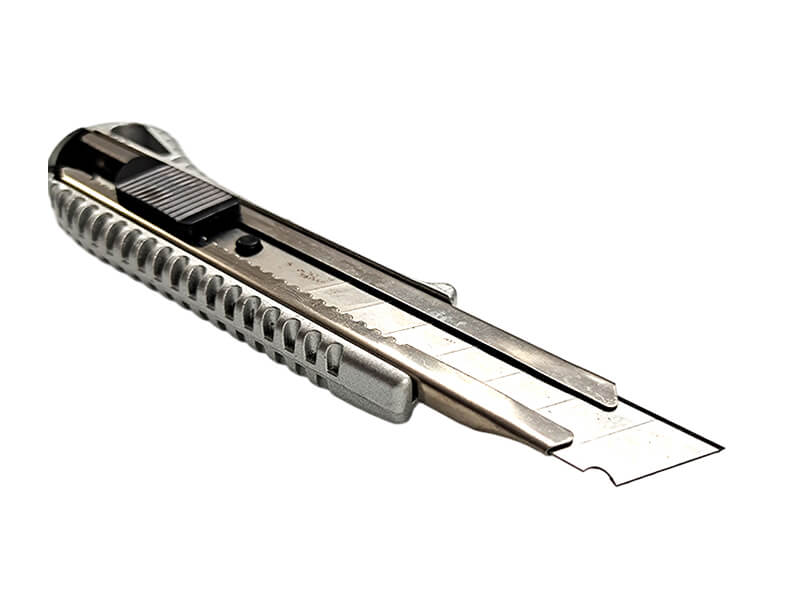

professional utility knives manufacturer
types of utility knives and their uses
Understanding these types helps you select the right utility knife for your task—whether for professional projects, crafting, or everyday use.
Retractable utility knives
The blade slides in and out, enhancing safety and convenience while reducing the risk of accidental cuts.
Breakaway utility knives
Segmented blades allow you to snap off dull sections for a fresh, sharp edge, making them cost-effective and practical.
Safety utility knives
Spring-loaded and self-retracting, these knives are designed to minimize workplace injuries, particularly when opening boxes and cartons.
Heavy-duty utility knives
Built for industrial tasks, they provide extra grip and cutting power for warehouses, factories, and construction sites.
how to choose a right utility knife
Utility knives are versatile, essential tools found in toolboxes, workshops, and homes worldwide. Designed for precision and ease of use, they cut a wide range of materials, including drywall, carpet, cardboard, and plastic. From construction tasks like cutting insulation or roofing materials to crafting projects and everyday chores such as opening packages, utility knives are indispensable.
Modern utility knives have evolved from simple fixed-blade tools to ergonomic designs with retractable and replaceable blades, improving both functionality and safety. This article explores the how to choose the right one, and learn about their practical uses for both professional and personal projects.
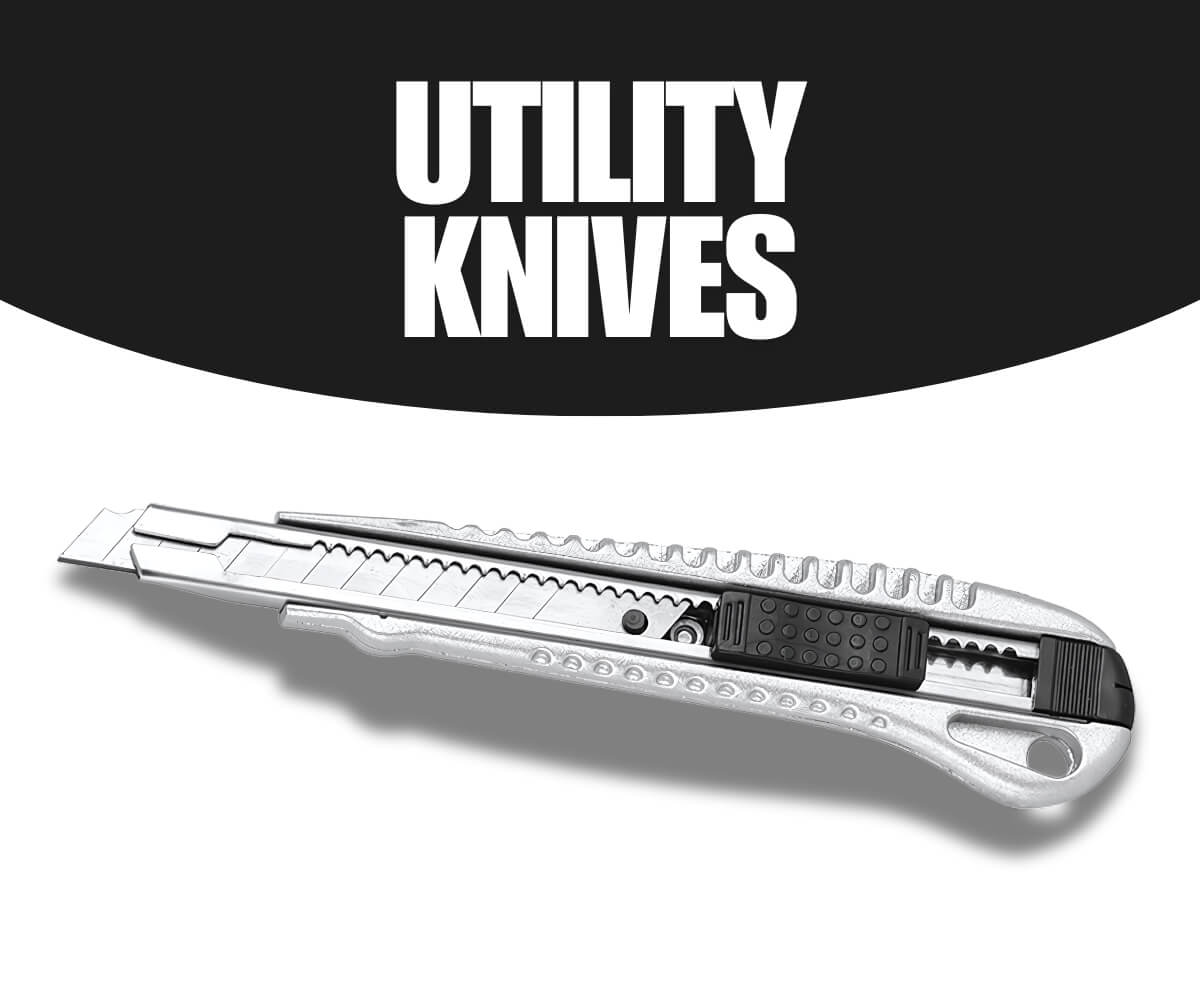
How to choose the right utility knife
Choosing the right utility knife is simple when you focus on a few key factors:
Blade material
- Carbon steel: Extremely sharp and strong, ideal for heavy-duty cutting, but prone to rust if not maintained.
- Stainless steel: Sharp, durable, and more resistant to rust, perfect for everyday use.
- Ceramic: Stays sharp longer and won’t rust, though more brittle than metal blades.
Handle design
Handles affect comfort, control, and safety. Look for ergonomic designs with materials like:
- Rubber: Comfortable, non-slip grip.
- Plastic: Lightweight and easy to handle.
- Metal: Durable and strong for tough tasks.
Blade-changing mechanism: Check how easily blades can be replaced. Options include push-button, sliding, or screw-based systems. A reliable mechanism ensures quick, safe blade swaps.
Intended use
Match the knife type to your tasks:
| Task type | Recommended knife |
|---|---|
| Heavy-duty cutting | Strong, durable knife with tough blade |
| Precision work | Smaller, sharp knife with good control |
| Everyday tasks | Basic retractable knife works fine |
Budget and frequency of use
Set a budget, but consider quality vs. cost. If used occasionally, a budget-friendly knife may suffice. For daily or professional use, a high-quality knife lasts longer and performs better. Brand and safety features: Choose reputable brands with good reviews and warranties. Look for safety features like blade locks, retractable blades, and built-in blade storage to reduce accidents. By considering these factors, you can select a utility knife that meets your needs, provides comfort and safety, and delivers reliable performance for years to come.Common applications of a utility knife
A utility knife is a versatile, essential tool for professionals, hobbyists, and homeowners alike. Its sharp blade, compact size, and easy handling make it ideal for a wide range of tasks.
- Construction and trades: Cut drywall, insulation, roofing materials, and more with precision, saving time and ensuring cleaner finishes.
- Packaging and shipping: Open boxes, slice tape, and remove shrink wrap quickly, improving efficiency in warehouses and shipping tasks.
- Arts and crafts: Perfect for precision cutting, scrapbooking, model making, and other detailed projects requiring accuracy.
- Home use: From small repairs and gardening to emergency situations, a utility knife is handy for everyday tasks.
- Industrial and manufacturing: Heavy-duty knives cut through thick materials, straps, or packaging efficiently, keeping workflows smooth.
- Electrical work: Electrician knives are designed to cut wires, strip insulation without damaging the core, and open boxes containing electrical equipment.
No matter the field, a utility knife makes cutting tasks faster, easier, and safer. It’s a practical, reliable addition to any toolkit, ready for any job.

Conclusion
CRESTONE utility knives are built for a wide range of cutting tasks, from floors to ceilings, delivering razor-sharp performance where it’s needed most. Their patented blades stay up to 24 times sharper than standard utility knives, letting you work longer with fewer blade changes. Durable, precise, and reliable, CRESTONE utility knives are an essential tool for any professional or DIY project.
Table of Contents
Maintaining and caring for your utility knife
By replacing blades promptly, cleaning and lubricating regularly, caring for the handle, and storing safely, you can extend the life of your utility knife and ensure it performs well for every cutting task.
Blade care
Replace the blade as soon as it dulls. For breakaway blades, snap off the worn section; for other knives, follow the manufacturer’s instructions for safe replacement.
Cleaning and lubrication
Wipe the knife clean after use to remove dirt, dust, or residue. For knives with moving parts, apply a light oil or lubricant occasionally to maintain smooth operation.
Handle care
Keep rubber or plastic grips clean and dry to prevent slipping or cracking. Wipe metal handles to avoid rust or corrosion.
Storage
Retract the blade fully if possible and store the knife in a safe place—like a toolbox, drawer, or with a blade cover—to prevent damage or accidents.