

how do you sharpen rototiller blades or tines
Rototillers are essential gardening and farming tools that prepare the soil for planting by breaking up and incorporating nutrients. Hard soil can make gardening a struggle, and dull rototiller tines make it worse. When the blades are not sharp, they cannot dig into the soil properly, causing your rototiller to work harder, waste fuel, and even risk damage over time. Dull tines also leave soil clumpy, which can affect plant growth.
The blades or tines are the key components that do the hard work in a rototiller. Over time, these blades become dull from repeated use, reducing the efficiency of your garden tiller and making soil preparation more difficult. Keeping your tines sharp is important—sharp blades make tilling easier, reduce stress on your machine, and help prepare the soil better for planting.
Sharpening the blades or tines is an essential maintenance procedure that can prolong the life of your rototiller, enhance its performance, and save on replacement costs.
In this article, brought to you by MATCHUP, a professional rototiller blades manufacturer in China, we will show you step by step how to sharpen your rototiller blades safely. You’ll learn what tools to use, how to prepare the tines, and the proper sharpening method so your rototiller works efficiently every time.

What are rototiller blades or tines?
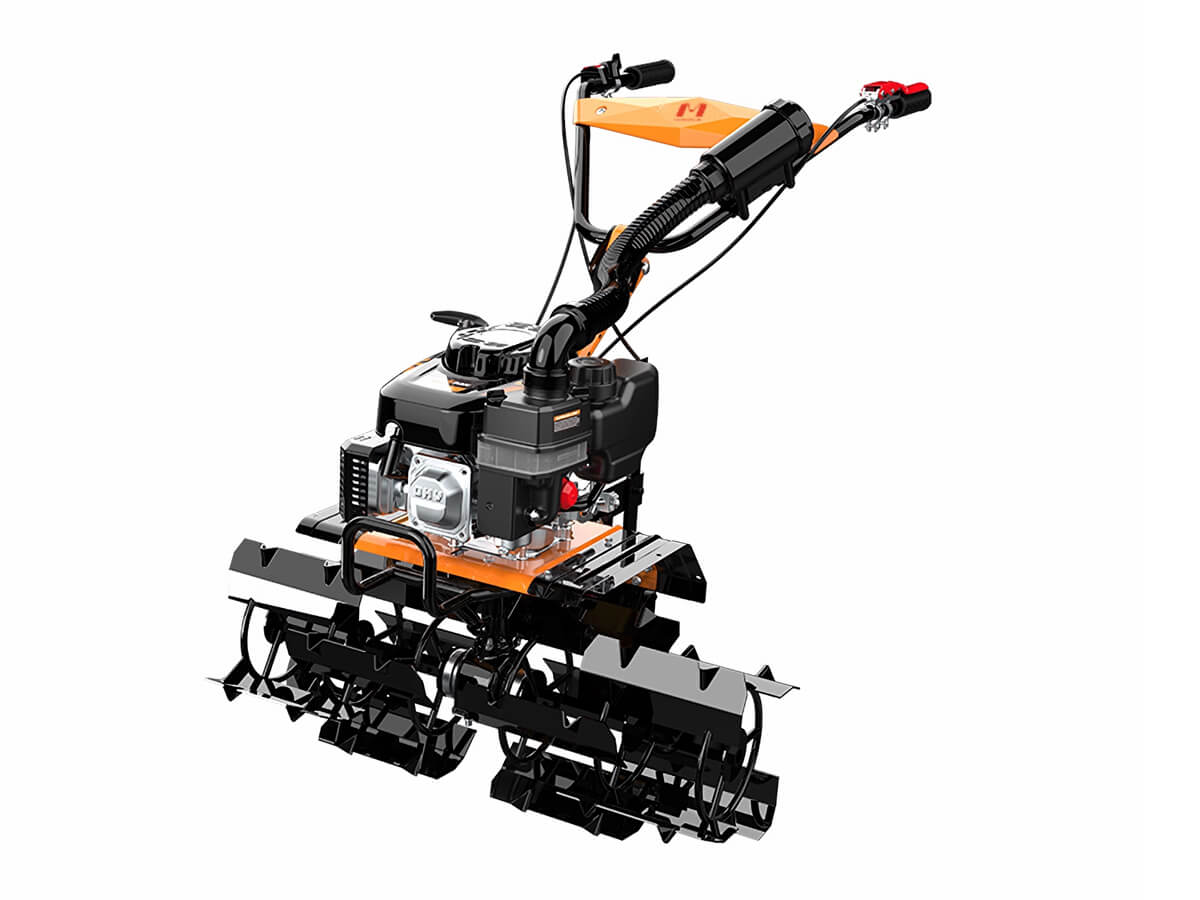
Rototiller blades, often called tines, are essential parts of a rototiller—a tool used to break up, loosen, and aerate soil in gardens, fields, and landscaping projects. These blades dig into the soil and turn it over, preparing it for planting.
Design and function
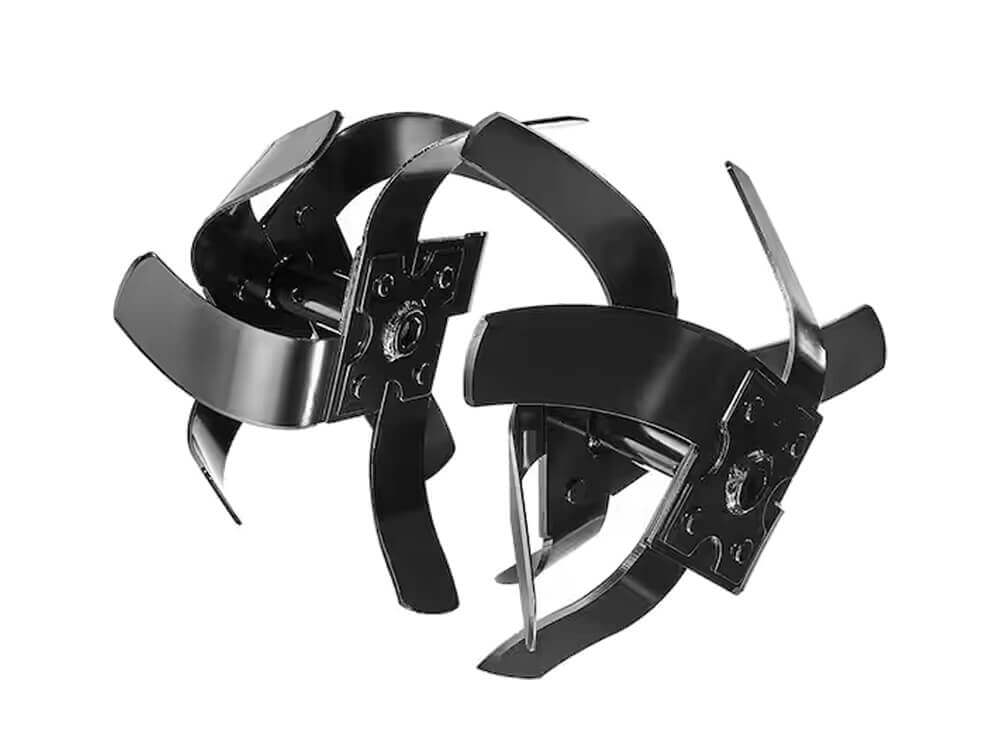
Rototiller tines are metal arms attached to the rotating shaft powered by the tiller’s engine or motor. As the shaft rotates, the tines dig into the soil, cutting through soil, roots, and debris. This process loosens the soil and helps mix nutrients or fertilizer, creating an ideal seedbed for crops or plants.
The shape and sharpness of these blades directly affect the tiller’s efficiency. Sharp, properly shaped tines can easily cut through soil and break up clumps, while dull or damaged blades struggle, making tilling more difficult and less effective.
Different types of rototiller tines
Rototiller blades, or tines, come in different shapes and sizes depending on the tiller design and the type of soil they are meant to work on. Each type is suited for specific conditions:
C-shaped or L-shaped tines: The most common type, designed for general soil cultivation. Ideal for breaking up lightly to moderately compacted soil.
Straight tines: Best for harder, more compact soils where deep penetration is needed.
Curved or flame-shaped tines: Provide better soil penetration and mixing.
Swinging or flexible tines: Pivot when hitting pebbles or obstructions, reducing the risk of damage to the tiller.
Bolo tines: Curved like a knife, suitable for soft to medium soil and general gardening tasks.
Slasher tines: Flat and wide, perfect for cutting through weeds, grass, and lighter soil.
Pick or chisel tines: Strong and pointed, ideal for hard or compacted soil and heavy-duty work.
Why sharpen rototiller blades?
Keeping your tines sharp brings many benefits. Over time, regular use causes blades to wear down due to constant contact with soil, rocks, roots, and debris. Sharpening your rototiller blades helps maintain effectiveness, improve performance, and extend the life of your machine.
Improved tilling efficiency
Sharp blades cut through soil cleanly, making tilling faster and less labor-intensive. Dull blades push soil instead of cutting it, reducing aeration and preparation. Sharp tines help your rototiller penetrate the soil easily, breaking it into fine particles.
Less stress on the tiller
Dull blades force the engine or motor to work harder, causing unnecessary wear and tear. Sharpening reduces strain, helps the machine run smoothly, and extends its lifespan.
Better fuel efficiency
A tiller with sharp blades requires less power to cut through soil, saving fuel for gas-powered models and extending battery life for electric models.
Better soil preparation
Sharp tines create uniform tilling, improving soil aeration and nutrient mixing. Dull blades leave clumps that can hinder seed germination and plant growth.
Damage prevention
Dull or damaged blades can cause vibration and imbalance, potentially harming the tiller’s transmission or shaft. Regular sharpening keeps blades balanced and reduces the risk of costly repairs.
Cost savings
Sharpening blades is an inexpensive maintenance step. Properly sharpened blades last longer, reducing the need for frequent replacements.
When to sharpen your rototiller blades or tines
Knowing the right time to sharpen your rototiller blades is as important as knowing how to do it. Sharpening too soon can be unnecessary, while waiting too long can reduce efficiency and increase wear on your machine. Here are key guidelines to help determine when it’s time to sharpen:
Visual inspection of the blades
Check your tines closely for signs of wear:
Round or blunt edges: Regular use gradually wears sharp edges down.
Nicks or chips: Minor dents, chips, or cracks can impair performance.
Rust or corrosion: Excessive rust weakens the blade, indicating a need for sharpening or replacement.
Decreased performance during tilling
Dull blades make your rototiller work harder. Watch for:
- The tiller slipping or stalling during use.
- Difficulty penetrating compact or rugged soil.
- Soil not breaking up finely or evenly.
- Increased vibration or unusual noises, which may indicate imbalance.
Frequency of use
- Regular gardeners: Sharpen every 10–15 hours of use during the growing season.
- Infrequent users: Seasonal sharpening—at least once a year—may suffice.
- Heavy-duty or commercial use: Professional landscapers or farmers may need to sharpen every few hours of operation.
After contact with rocks or obstacles
Hitting rocks, roots, or other tough objects can dull or damage blades. Inspect and sharpen immediately if needed.
During routine maintenance
Include blade inspection and sharpening in your regular maintenance schedule to prevent excessive wear and maintain consistent performance.
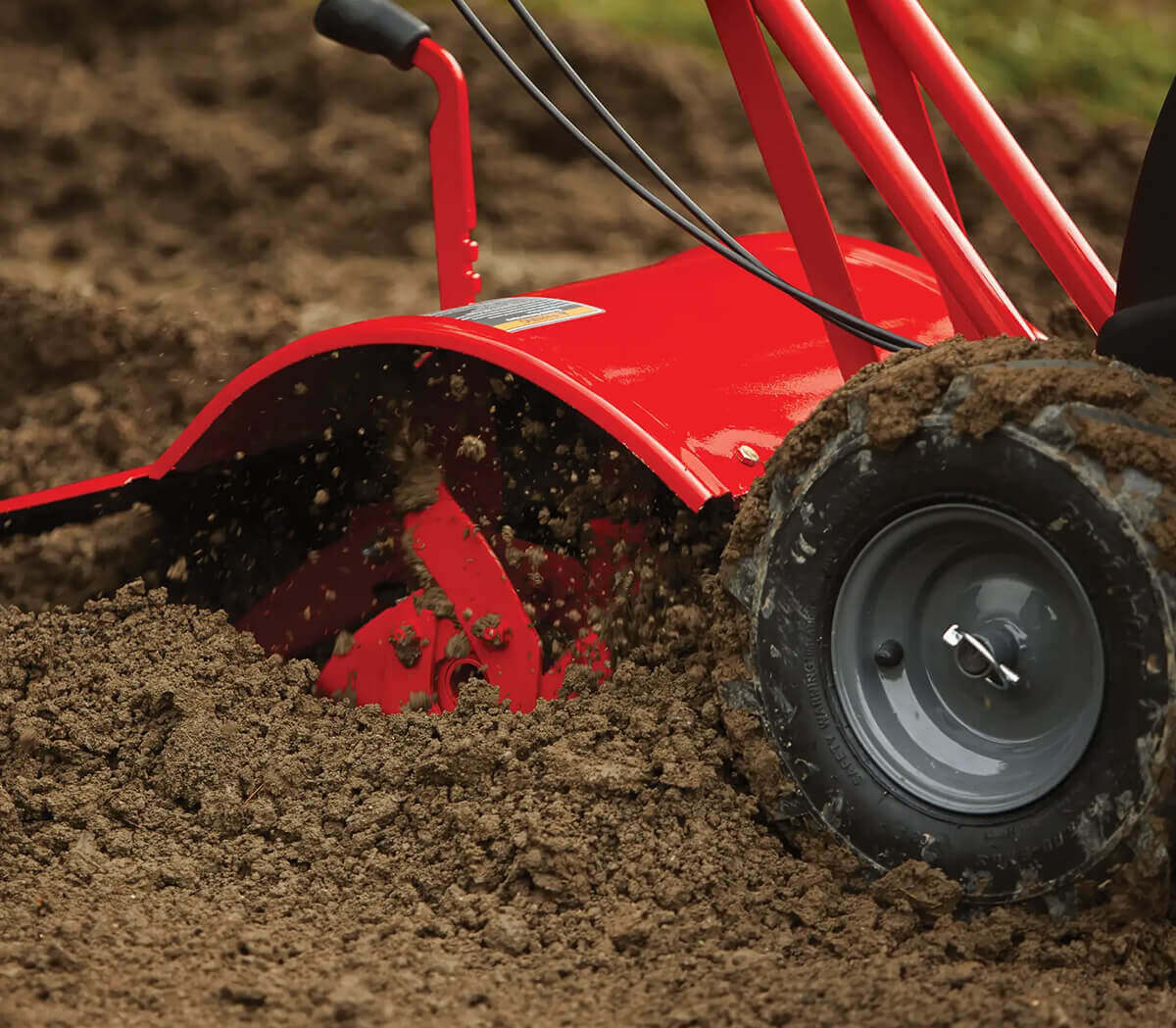
Tools and materials needed to sharpen rototiller blades
Sharpening rototiller blades or tines is straightforward when you have the right tools, materials, and safety equipment. Your tools may vary depending on whether you choose a manual or power-tool approach, but the following covers everything you typically need for a safe and effective job.
Safety equipment
Protecting yourself is essential when handling sharp blades or power tools:
Safety goggles or glasses: Protect eyes from metal filings, sparks, and dust.
Gloves: Shield hands from sharp edges and heat.
Respirator or dust mask: Prevent inhalation of fine metal dust.
Hearing protection: Earmuffs or earplugs when using loud power tools like grinders.
Closed-toe shoes: Protect feet from dropped tools or tines.
Wrenches or socket sets
Needed to remove and reattach tines or blades. Consult your tiller’s manual for the correct size and procedure.
Wire brush or scraper
Used to clean dirt, rust, and debris from the blades before sharpening for more accurate results.
Metal file
A sturdy, coarse file is used for manual sharpening. Flat or half-round files are commonly used, depending on blade shape, to restore the cutting edge carefully.
Angle grinder (optional but recommended)
An angle grinder with a metal-specific grinding or flap disc allows quicker and more effective sharpening. Exercise care to avoid overheating or damaging the blade.
Bench vise or clamps
Secure the blade while sharpening to ensure accuracy and safety.
Additional equipment
Lubricating oil or penetrating spray (e.g., WD-40): Loosens rusted bolts and protects metal surfaces.
Cleaning cloth or rag: Cleans the blade after sharpening.
Marker or chalk: Marks bevels or areas needing attention.
Metal ruler or angle gauge: Helps maintain the correct sharpening angle.
Having the right tools and safety measures ensures you can sharpen your rototiller tines efficiently and without risk.
Step-by-step guide: how to sharpen rototiller blades or tines
Sharpening your rototiller blades or tines may seem daunting, but with the right tools, patience, and safety precautions, it is straightforward and significantly improves your tiller’s performance. Follow these steps to sharpen your blades safely and effectively.
Step 1: prepare and prioritize safety
- Disconnect all power sources. For gas models, remove the spark plug wire; for electric models, unplug or remove the battery.
- Work on a flat, stable surface to prevent tipping.
- Wear safety gear: gloves, dust mask, safety goggles, hearing protection, and closed-toe shoes.
- Work in a well-ventilated area, preferably outdoors or in a workshop.
- Elevate the rototiller using a block, ramp, or stand so the tines are easily accessible.
- Document tine placement with photos or sketches to ensure correct reassembly.
Step 2: remove the blades or tines
- Refer to your rototiller manual for proper removal instructions.
- Use the correct wrench or socket to loosen and remove bolts, nuts, or pins.
- Keep small parts in a container to avoid losing them.
- Place the blades on a clean, sturdy work surface.
Step 3: clean the blades
- Use a wire brush or scraper to remove dirt, mud, rust, and debris.
- Apply rust remover if necessary and dry thoroughly.
- Ensure the tines are completely clean and dry before sharpening.
Step 4: secure the blades
- Clamp the blades firmly in a bench vise or on a stable workstation.
- Ensure the cutting edge is exposed and easy to work on.
Step 5: identify the bevel angle
- Examine the blade edge to determine the original bevel angle, usually between 20–30 degrees.
- Maintain this angle while sharpening to preserve blade effectiveness.
Step 6: sharpen the tines manually (file method)
- Hold a metal file with both hands at the bevel angle.
- Use long, smooth strokes away from your body along the cutting edge.
- Apply moderate pressure and sharpen until the edge feels noticeably sharp.
- Flip the blade and remove burrs from the opposite side.
Step 7: sharpen using an angle grinder (optional)
- Attach a grinding or flap disc suitable for metal.
- Hold the grinder firmly and move it along the edge at the correct bevel angle.
- Use short, controlled passes to avoid overheating, which can weaken the metal.
- Lightly file the edge afterward to remove any remaining burrs.
Step 8: inspect the blades
- Check for cracks, bends, or damage that sharpening cannot repair.
- Replace severely damaged blades.
- Ensure all edges are uniform and smooth for balanced performance.
- Step 9: clean and oil the blades
- Wipe off metal filings with a clean cloth.
- Apply a thin layer of oil to prevent rust and corrosion before reassembling.
Step 10: reinstall the blades
- Mount the blades in the correct orientation using your photos or sketches as a guide.
- Secure bolts or pins tightly, but avoid overtightening to prevent damage.
- Double-check that all tines are aligned and securely fastened.
- Reconnect the spark plug wire or power source.
Step 11: test the rototiller
- Start the tiller in a safe, open area.
- Check for smooth operation, reduced vibration, and improved soil cutting.
- If performance problems persist, re-inspect the blades or consult a professional.
Maintenance tips to keep rototiller tines sharp
Proper maintenance keeps your rototiller tines in good condition, saving time, energy, and money. Follow these practical tips to prolong their sharpness:
Clean tines after each use
Remove soil, mud, and plant debris with a wire brush or cloth. Prevents buildup that can cause rust and reduce cutting efficiency.
Store the rototiller in a dry place
Moisture can lead to rust, so keep the machine indoors or under a covered area.
Inspect tines regularly
Check for rust, cracks, bends, or dull edges before each use. Early detection of damage helps prevent bigger problems and keeps your rototiller safe.
Sharpen tines regularly
Depending on soil conditions and usage, sharpen your tines after every 10–20 hours of work, or whenever they feel blunt. Regular sharpening maintains efficiency and reduces strain on the engine.
Following these simple maintenance steps ensures your tines stay sharp, your rototiller lasts longer, and your gardening is easier and more effective.
When to replace rototiller tines instead of sharpening
While sharpening keeps your rototiller tines efficient, there are times when replacement is the better option. Replace tines if you notice any of the following:
Cracks or fractures: Visible cracks can cause tines to break during use, making them unsafe.
Bends or warping: Bent tines dig poorly and can strain your rototiller.
Chipped edges: Chips reduce cutting efficiency and result in uneven soil preparation.
Excessive wear: Edges that are rounded or thin from repeated use may no longer be effectively restored by sharpening.
Replacing tines is often more cost-effective than repeatedly sharpening severely damaged blades. New tines ensure efficient tilling, reduce strain on your rototiller, and save time in the long run.
Conclusion
As a professional rototiller manufacturer in China, MATCHUP knows that keeping your tines sharp is key to successful gardening. Sharp tines make tilling easier, improve soil health, and reduce strain on your rototiller, helping your machine last longer.
Sharpening your rototiller blades or tines is an essential maintenance task that ensures your tiller runs efficiently and lasts longer. Regular sharpening restores the cutting edges, making soil preparation easier and saving time and energy. With the right safety measures and equipment, sharpening can be a simple do-it-yourself project—even for beginners.
Inspect your blades frequently, clean them after use, and properly care for your tiller. Regular maintenance, including cleaning, inspection, and timely sharpening, ensures your rototiller performs at its best every time.
Take action today: inspect your tines, sharpen or replace them as needed, and experience the difference that sharp MATCHUP tines can make in your gardening.
Frequently asked questions
Can I sharpen my rototiller blades without removing them?
Although it is possible to sharpen blades while still attached, removing them is safer and allows for a more thorough and accurate sharpening. Always disconnect the power source before performing any maintenance.
Can I use a dremel tool?
A Dremel tool is suitable only for minor touch-ups. It is usually underpowered for fully sharpening tines. For best results, use a hand file or angle grinder.





May Ge
Outdoor Machinery Export Manager 6-Yr Exp 🌍 ∣ BSCI, EPA, EURO V, CE ∣ Generator, High-pressure Washer, Water Pump, Engine, Floor Scrubber ∣ 🚀 24/7 Second Reply
TAIZHOU BISON MACHINERY CO.,LTD | Ningbo University of Technology
Our related blog

what is a rototiller?
MATCHUP will explore everything you need to know about rototillers: what they are, how they function, their various types and sizes, and the significant benefits

how to use a rototiller
In this article, you’ll learn how to use a rotary tiller. Used safely and effectively, it can create an ideal soil bed for successful planting.