

can you run a generator in the rain?
Generators provide essential backup power during outages, particularly in emergencies. However, power outages often occur during storms, hurricanes, and extreme weather — precisely when rainfall is most likely. This raises an important safety question: can you run a generator in the rain?
The storm hits without warning: dark clouds roll in, rain lashes against the windows, and suddenly, the power goes out. In moments like these, a portable generator can feel like a lifeline, keeping lights on, appliances running, and safety intact.
The short answer is no — you should take necessary safety precautions before operating a generator in the rain. Exposing your generator to water can lead to serious risks, including electrocution, fire hazards, and permanent damage to the machine. However, with the appropriate safety measures and setup, you can safely run a generator in wet conditions.
As a professional generator manufacturer in China, MATCHUP understands the importance of safe, reliable power. In this article, we’ll explore why running a generator in the rain is dangerous, how to protect your equipment, and practical tips to stay powered safely during severe weather.
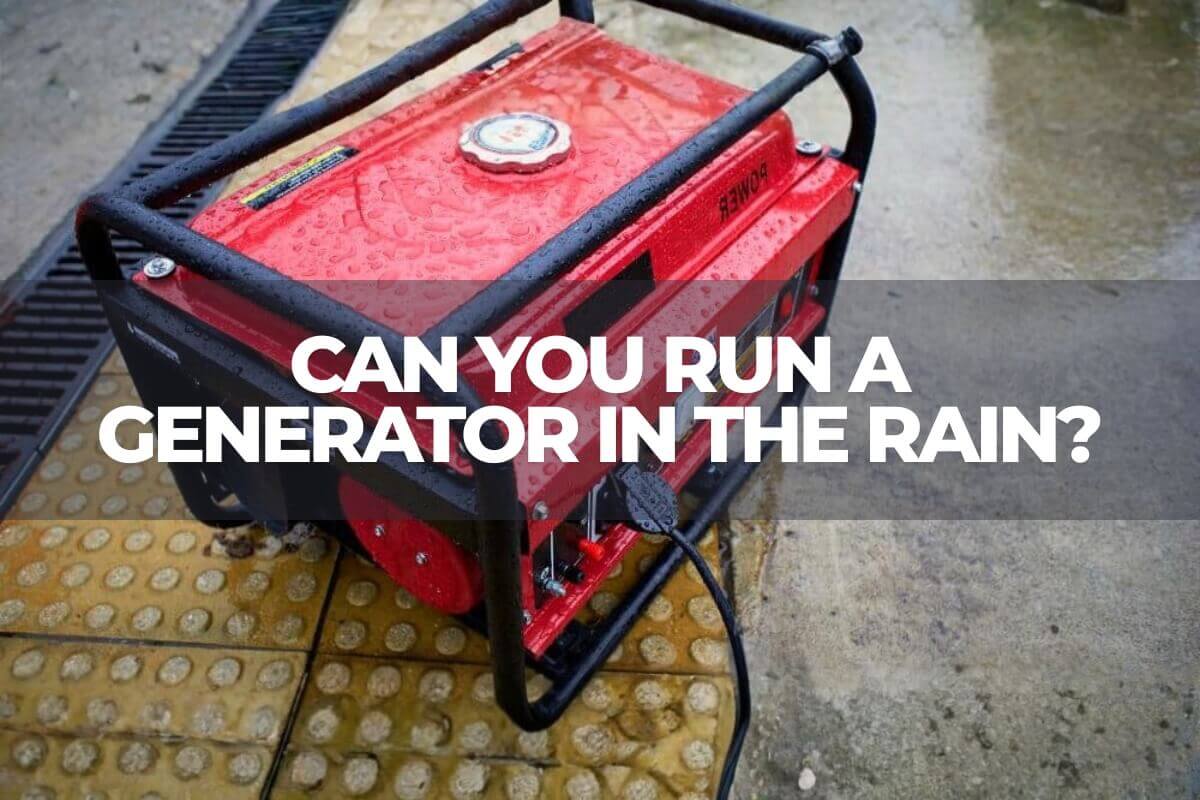
Why you shouldn’t run a generator directly in the rain
Generators are designed to provide safe, reliable power — but only under proper operating conditions. Using a generator directly in the rain exposes it to moisture, which can compromise safety, damage equipment, and create fire or shock hazards. Understanding these risks is critical to protect yourself, your generator, and your home.
Electric shock and fire hazards
Water is a powerful conductor of electricity. If rain enters your generator’s outlets, control panel, or wiring, it can cause dangerous electrical shocks or electrocution, especially if someone is standing on wet ground. Moisture can also lead to short circuits, arcing, or electrical faults. If fuel vapors are present, sparks can ignite them, creating a serious fire hazard.
Damage to internal components
Generators contain sensitive electronics and mechanical parts. Water inside can cause corrosion, rust, and short circuits, reducing the generator’s lifespan and efficiency. Rain can damage the alternator, engine, fuel lines, and outlets, leading to flickering power, inconsistent performance, or permanent failure.
Starting and running problems
Water can interfere with the spark plug, ignition system, or fuel mixture, making it difficult to start the generator. Even if it runs, it may stall or shut down unexpectedly, leaving you without power when you need it most.
Carbon monoxide risks
Generators emit carbon monoxide (CO), a colorless, odorless gas. Running a generator in enclosed or partially sheltered areas to protect it from rain can allow CO to accumulate, causing headaches, dizziness, or even death. Proper ventilation is essential, even during wet weather.
Voiding the manufacturer’s warranty
Operating a generator outside the manufacturer’s recommended conditions — like in the rain — can void warranties. Water damage may result in costly repairs, internal wear, fuel contamination, or complete failure. Following manufacturer guidelines ensures your generator stays covered and lasts longer.
By understanding these risks, it’s clear that running a generator in the rain is not just unsafe — it’s potentially life-threatening.
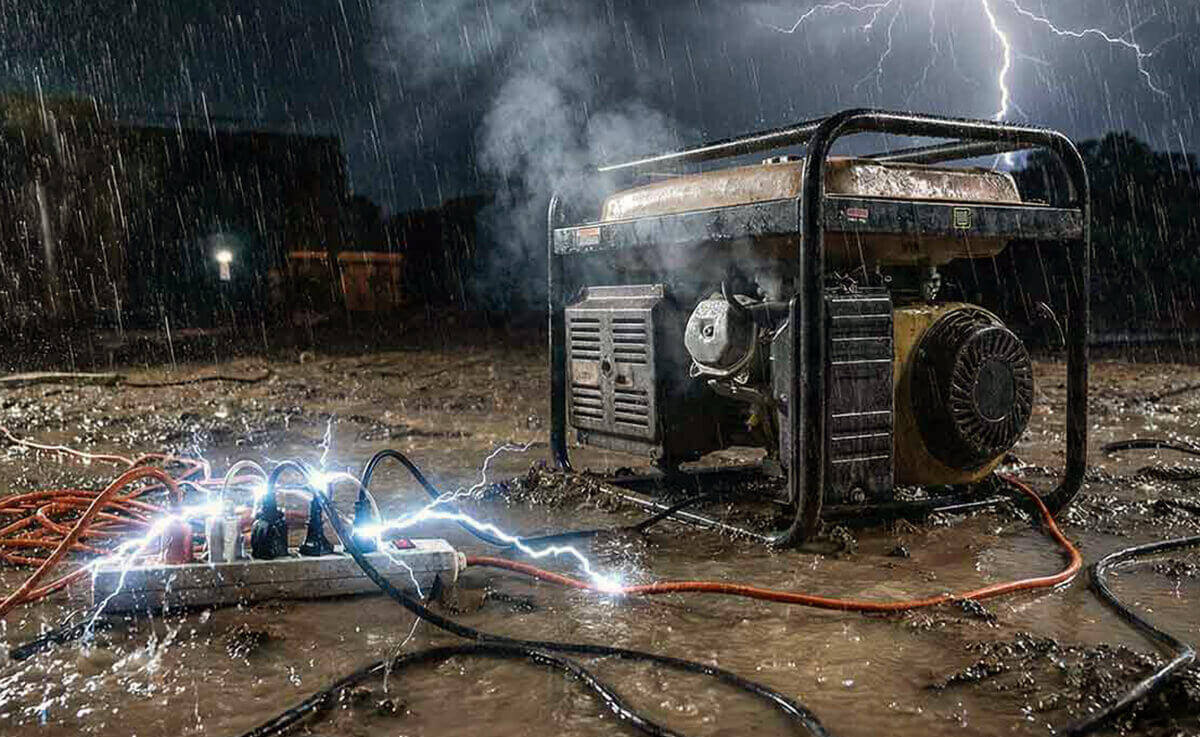
Generator enclosure ideas for wet weather
When operating a generator in the rain, a proper enclosure is essential for safety, durability, and optimal performance. A good enclosure protects the generator from water while maintaining airflow and easy access for maintenance and refueling.
Portable generator enclosures
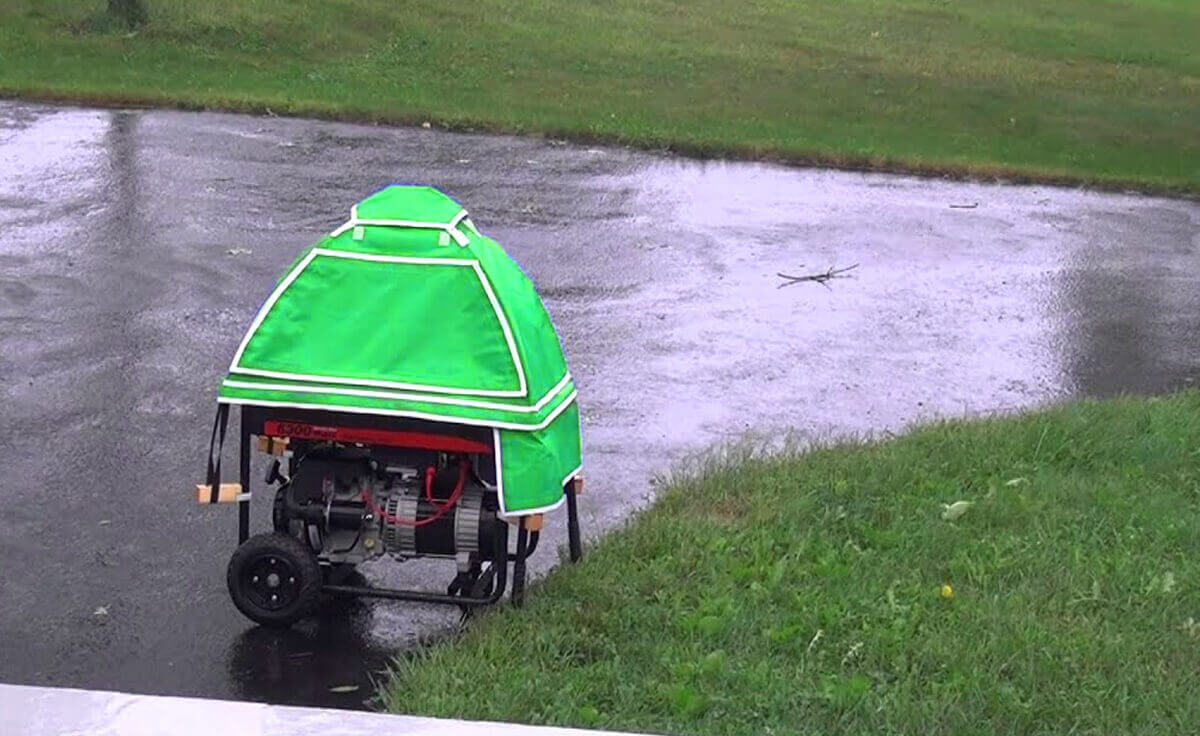
Portable generator tents or covers are ideal for temporary use. These lightweight, quick-to-assemble enclosures are made of flame-retardant, waterproof materials and feature built-in ventilation flaps for exhaust and airflow.
DIY generator shelters.
If you’re handy, you can build a DIY shelter using materials like treated plywood, corrugated metal, or PVC. Include a sloping roof, open sides for airflow, and a raised base to prevent water accumulation. A hinged panel or removable wall allows easy access to fuel and controls.
Permanent generator sheds
For long-term or standby setups, a permanent shed-style enclosure provides maximum protection. Construct it from treated wood, metal, vinyl, or PVC, with ventilation grilles, exhaust outlets, and possibly soundproofing. Build on a level, raised surface or concrete slab and leave sufficient clearance around the generator to meet manufacturer ventilation requirements. Secure the structure to withstand wind and storm conditions.
Weatherproof generator boxes
Weatherproof boxes with cutouts for air intake and exhaust can also be used. These may include insulation for noise reduction and seals to prevent moisture ingress. Ensure materials are non-combustible and heat-resistant, and avoid designs that could trap heat or exhaust gases.
By using these protective setups, you can safely operate your generator outdoors during wet weather without compromising performance or risking injury. MATCHUP generators are fully compatible with all these solutions, allowing you to stay powered safely, rain or shine.
How to safely use a generator in the rain
While running a generator directly in the rain is dangerous, it is possible to operate one safely with proper precautions and protective setups. Even with covers or enclosures, following best practices is essential to prevent accidents, equipment damage, and health hazards.
Maintain a safe distance from your home
Always keep your generator at least 20 feet away from doors, windows, vents, or any enclosed space. This prevents carbon monoxide (CO) fumes — a colorless, odorless, and deadly gas — from entering your home. Even with rain protection, the fumes can be hazardous if the generator is too close to living spaces. Mount the generator so exhaust gases are vented away from the house.
Raise the generator off the ground
Place the generator on a solid, elevated surface such as a concrete slab, wooden platform, or weatherproof stand. This keeps it above puddles and ground moisture, reducing the risk of water damage or electrocution. Avoid low-lying or flood-prone areas.
Avoid enclosed or covered spaces without ventilation
Never run a generator inside garages, basements, sheds, or covered patios unless they are specifically designed and ventilated for generator use. Enclosed spaces trap exhaust fumes, creating a severe suffocation or explosion hazard. Proper airflow and ventilation are essential for safe and efficient operation. The engine produces heat while running, and without enough ventilation, it can overheat or cause carbon monoxide buildup — both serious safety hazards. Keeping your generator in a well-ventilated area ensures it runs smoothly, stays cool, and delivers reliable power when you need it most.
Ensure stable surface support
Set up the generator on level, stable surface to prevent tipping, vibration, or movement during operation. A tilted or unstable generator can spill fuel or oil, damage internal components, or create electrical hazards.
Ground the generator
Always ground your generator according to the manufacturer’s instructions, including MATCHUP guidelines. Proper grounding prevents electrical shocks and reduces the risk of short circuits, especially in wet conditions.
Use outdoor-rated extension cords
Only use heavy-duty, weather-resistant extension cords rated for outdoor use. Check cords for cuts, frays, or other damage before each use. Keep connections elevated or protected from water, and never run cords through puddles or standing water. Avoid indoor-only cords, as they lack insulation for wet conditions and pose serious shock or fire hazards. Ensure the cords can handle the generator’s power load.
Turn off during heavy rain
If rain becomes too heavy or your cover or enclosure fails to keep the generator dry, turn it off immediately. Let it cool down and wait for the weather to improve before restarting. This prevents water damage, electrocution, or fire. Always inspect the generator before restarting.
Inspect before and after use
Perform routine inspections to ensure safety and reliability. Before starting, check that the outlets, fuel tank, and engine are dry and free of debris or damage. After use, inspect for corrosion, moisture intrusion, loose parts, or signs of wear. Cleaning and checking the generator regularly helps maintain its performance and longevity.
By following these best practices, you can minimize risks and ensure reliable power during rainy weather. Respecting manufacturer instructions and official safety guidelines protects you, your family, and your generator while preventing voided warranties. MATCHUP generators are designed with safety and durability in mind, making it easier to stay powered safely in wet conditions.
Additional wet-weather safety tips
- Never cover a running generator with improvised materials. Do not use tarps, blankets, or plastic sheets to cover a running generator. Blocking airflow can cause the engine to overheat and increase the risk of fire.
- Keep hands and tools dry. Always dry your hands thoroughly before touching the generator or its connections. Moisture on hands or tools increases the risk of electric shock. Consider wearing insulated gloves and rubber-soled shoes when operating or maintaining the unit in wet conditions.
- Install a carbon monoxide detector. Place battery-operated carbon monoxide detectors in your home, especially near doors and windows closest to the generator. These alarms provide an early warning if dangerous fumes begin to enter living spaces.
Following these practices, along with proper grounding, and protective enclosures, ensures safe and reliable generator use in wet weather.
What to do if a generator gets wet
Accidental exposure to rain can happen even with precautions. If your generator gets wet, follow these steps to prevent damage and ensure safety before restarting:
- Turn off the generator immediately. Shut it down to prevent electrical shorts or electrocution, and disconnect any appliances.
- Move it to a dry, safe area. Relocate the generator to a dry, well-ventilated space. Avoid touching it with wet hands or standing in water while handling it.
- Inspect for water damage. Check the engine, alternator, outlets, fuel tank, and control panel for moisture, corrosion, or debris that could cause shorts or malfunctions.
- Dry thoroughly. Wipe down all accessible surfaces and allow the generator to air-dry completely for several hours. Ensure all vents and components are moisture-free. Do not use heat sources like blow dryers on the engine.
- Check oil and fuel. Inspect the oil for cloudiness or water contamination and replace if needed. Check the fuel for contamination and replace it if necessary.
- Perform a test run. Once dry, test the generator outdoors on a dry surface with no appliances connected. Monitor for unusual sounds, smoke, or irregular operation.
- Consult the manufacturer if needed. If you detect damage or are unsure about the generator’s condition, contact customer service for guidance. Running a wet or damaged generator can be dangerous and may void the warranty.
Following these steps minimizes the risk of damage, electrocution, or fire, and ensures your generator is safe and ready for use.
Conclusion
Operating a generator in the rain without proper precautions is dangerous. Direct exposure to moisture can cause electrical hazards, equipment damage, fire, carbon monoxide poisoning, and permanent generator failure.
However, by using a suitable rainproof enclosure, a special cover, a homemade rain shelter, or a permanent shed, and by ensuring the generator is placed in a safe location and following the manufacturer’s safety guidelines, you can safely operate the generator in wet environments.
Safety should always come first. Protect your home, family, and equipment by choosing safe, dependable solutions today. and ensure your generator is ready to provide reliable power during the next outage.
Frequently asked questions
Should I cover my generator at all times?
Only use a weatherproof cover or enclosure when the generator is running outdoors. Never fully enclose it without proper ventilation, as this can cause overheating and carbon monoxide buildup.
What if my generator gets a little wet?
Even minimal moisture can cause electrical shorts, rust, or startup problems. Dry the generator thoroughly before use and inspect it for any damage.
Can I use a tarp to cover my generator while it is running?
No. A tarp does not provide safe ventilation and can trap heat or exhaust gases. Only use covers designed specifically for generator operation.
Is there such a thing as a waterproof generator?
No generator is completely waterproof. Some may be water-resistant, but all generators require protection from direct rain or standing water.





May Ge
Outdoor Machinery Export Manager 6-Yr Exp 🌍 ∣ BSCI, EPA, EURO V, CE ∣ Generator, High-pressure Washer, Water Pump, Engine, Floor Scrubber ∣ 🚀 24/7 Second Reply
TAIZHOU BISON MACHINERY CO.,LTD | Ningbo University of Technology
Our related blog

generator oil change tips & tricks
Generator maintenance made easy: Step-by-step oil change tips and tricks to keep your backup power ready when you need it.

connecting a generator to your home
Learn how to safely connect a generator to your home during power outages. Discover legal methods, transfer switches, and expert tips to keep the lights on.

can you run a portable generator indoors?
Can you run a portable generator indoors? Learn about serious safety hazards and essential precautions every homeowner should know.

how to safely ground your generator
Protect your generator with proper grounding techniques to ensure their safety and optimal performance. This blog explains when and how to ground portable and standby generators safely and securely.