

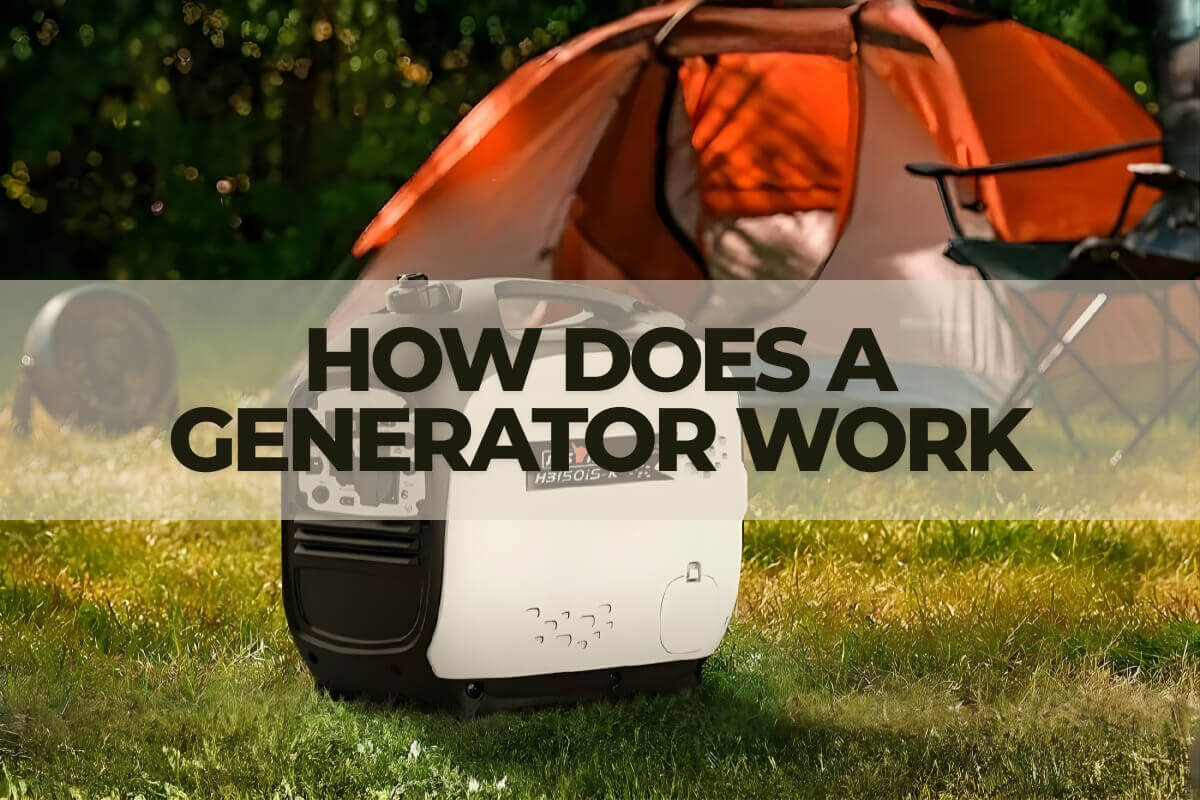
how does a generator work
Electricity powers almost every part of our daily lives, from lighting our homes during a sudden blackout to keeping construction sites running smoothly.
Electrical generators are stand-alone machines that provide electricity when power from the local grid is not available. During power outages, they are commonly used to supply backup power to homes, businesses, and other facilities. Generators can also serve as the main source of electricity in places such as mining sites, farms, and new construction areas where the electrical grid is not accessible.
A generator works by converting mechanical energy into electrical energy, ensuring a steady supply of power when it is needed most.
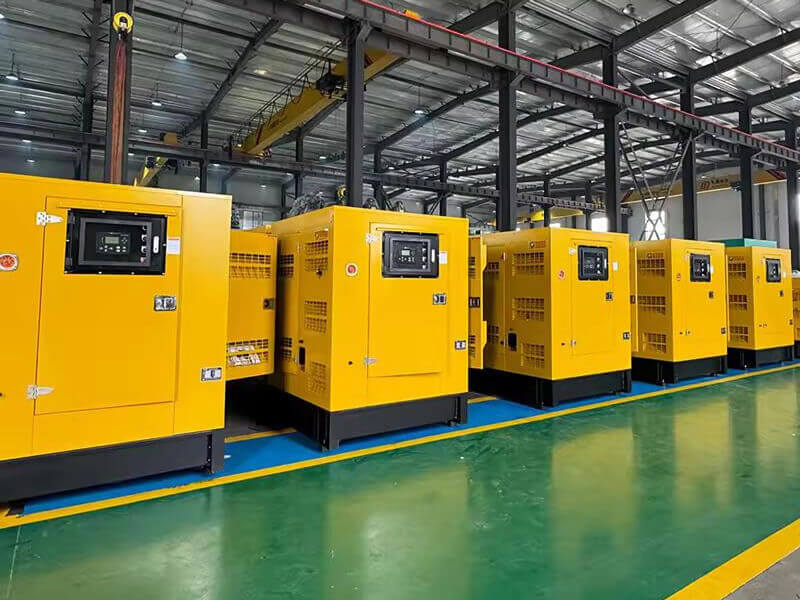
Generators come in many sizes and types. Small portable generators are often used for camping, outdoor activities, or powering a few appliances. Larger standby generators can supply electricity to an entire home. Industrial generators are even more powerful and can keep factories, hospitals, and office buildings operating without interruption.
In this article, MATCHUP, a professional generator manufacturer in China, will explain how generators work, introduce their main components, and fuel required for generator work. In reality, generators do not create electricity etc. Instead, they convert chemical or mechanical energy into electrical energy. By forcing electrons from an external source through an electrical circuit, generators capture kinetic energy and transform it into electrical power. In simple terms, a generator works like an electric motor operating in reverse.
How a generator produces electricity step by step
Step 1: mechanical input
The process begins with the engine or prime mover, which may be powered by diesel, gasoline, natural gas, or a turbine. This mechanical energy drives the rotor, causing it to spin inside the generator.
Large-scale generators, such as those used in hydroelectric plants, rely on turbines driven by moving water. Residential and commercial generators are much smaller and typically use fuels like gasoline, propane, or diesel to produce the mechanical energy needed for operation. In general, a generator uses mechanical motion to move a conductor within a magnetic field.
Step 2: creating the magnetic field
Before electricity can be generated, a magnetic field must be established. This field may come from residual magnetism in the rotor or from an exciter, which supplies the initial current needed to magnetize the rotor.
Step 3: inducing current
As the rotor spins within the stator, it moves through stationary coils of wire. According to faraday’s law of electromagnetic induction, this movement causes electrons in the wire to flow, producing an electric current. This is the fundamental process that converts mechanical energy into electrical energy.
To visualize this, imagine moving a copper wire back and forth near a strong magnet. As the wire cuts through the magnetic field, a small electric current is produced. Inside a generator, the same principle occurs on a larger scale, turning mechanical motion into usable electrical power.
Step 4: output and regulation
The electricity produced then passes through a voltage regulator. This component ensures that the output voltage remains stable, preventing damage to appliances, machinery, and other connected equipment.
Step 5: maintaining frequency and voltage
For reliable operation, both voltage and frequency must remain stable. Frequency is measured in hertz and determines how often the current changes direction. If voltage or frequency fluctuates, lights may flicker, machines may malfunction, and sensitive equipment may be damaged. Proper regulation ensures the generated electricity is safe and consistent.
By following these steps, a generator efficiently converts mechanical motion into a steady and reliable source of electrical power that can support homes, businesses, and industrial operations.
Types of electricity produced by generators
Generators can produce two main types of electricity: ac (alternating current) and dc (direct current). Ac generators produce electricity that changes direction periodically and are widely used in homes and industries because ac power can be transmitted efficiently over long distances. Dc generators produce electricity that flows in one direction and are commonly used in specialized equipment and battery charging systems.
Which components make up a generator
A generator is made up of several key components, each playing an important role in converting mechanical energy into electrical energy and delivering reliable power.
- Engine: The engine provides the mechanical energy needed to run the generator.
- Alternator: The alternator is the component where mechanical energy is converted into electrical energy. It contains both stationary and rotating parts that work together to create an electromagnetic field.
- Rotor (armature): The rotor is the rotating part of the alternator. As it spins, it produces a magnetic field that helps generate electricity.
- Stator: The stator is the stationary part surrounding the rotor. It contains coils of wire where electricity is generated and collected.
- Exciter: The exciter provides the initial magnetism needed for the rotor to begin generating electricity.
- Fuel system: The fuel system supplies the energy needed for the engine to operate. It usually includes a fuel tank, fuel pump, fuel filter, fuel injector, and connecting pipes. The filter removes debris before the fuel reaches the engine, ensuring efficient and reliable performance.
- Voltage regulator: The voltage regulator controls the generator’s output voltage. It ensures the electricity produced remains stable and consistent, protecting appliances and equipment from voltage fluctuations.
- Cooling and exhaust system: Generators produce heat during operation. The cooling system prevents overheating, while the exhaust system safely directs and removes combustion gases from the engine.
- Lubrication system: The lubrication system supplies engine oil to moving parts inside the generator. Proper lubrication reduces friction, prevents excessive wear, and ensures smooth operation. Oil levels should be checked regularly during operation.
- Battery charger: The battery provides the initial power required to start the generator. The battery charger automatically maintains the battery by supplying a steady low voltage when needed, ensuring the generator is always ready to start.
- Control panel: The control panel is the brain of the generator. It allows users to start, stop, and monitor the generator’s operation. It also displays important information such as engine speed, operating hours, battery voltage, and oil levels. Many modern generators include an automatic transfer switch (ats) within the control system. The ats monitors incoming power from the grid and automatically starts the generator during a power outage. Once grid power is restored, it signals the generator to shut down and reconnects the system to the main power supply.
- Main assembly or frame: The main assembly, or frame, is the structural body of the generator. It supports and holds all components together while protecting them during operation and transportation.
Each of these components plays a vital role in ensuring a generator operates efficiently and reliably. MATCHUP designs every component to work together seamlessly, providing dependable power solutions for both everyday and industrial applications.

What type of fuel do generators require
Modern electrical generators are available with several fuel options, allowing users to choose the best type based on their power needs and operating environment. The most commonly used fuel for industrial generators is diesel, while many residential and portable generators run on gasoline or diesel. Some models are dual-fuel generators, meaning they can operate on both gasoline and propane, giving users greater flexibility during emergencies or fuel shortages.
The role of the fuel system
The fuel system provides the generator with the fuel needed to power the internal combustion engine. This process creates the mechanical energy required to generate electricity. Without fuel, combustion cannot occur, and the generator cannot operate. For this reason, maintaining an adequate fuel supply is essential to ensure the generator can start immediately when needed.
Generator fuel tanks
Fuel is stored in tanks that vary in size depending on the generator’s power output and expected running time. Smaller portable generators typically have built-in fuel tanks mounted on the generator frame, while larger generators may rely on external fuel tanks located near or away from the unit.
Fuel tanks can be installed in several ways:
- Subbase tanks: Located beneath the generator set and typically used for smaller storage capacities (usually under 1,000 gallons).
- Above-ground tanks: Easier to install and maintain, often used for commercial or industrial applications.
- Underground tanks: Protected from weather and environmental exposure, which can extend their lifespan, though installation costs are usually higher.
Each fuel storage option has advantages and limitations. In addition, installing a generator fuel system must follow local safety regulations, codes, and approval requirements, whether for residential or commercial use. Choosing the right fuel type and storage system helps ensure reliable generator performance and a steady supply of power whenever it is needed.
Conclusion
Generators play a vital role in modern life by converting mechanical energy into electrical power through electromagnetic induction. They provide reliable electricity for homes, businesses, and industries, especially during power outages or in areas without access to the main grid.
To ensure dependable performance, it is important to choose the right generator size, install it correctly, and perform regular maintenance. Proper operation and safety practices also help extend the generator’s lifespan and improve efficiency.
As a professional generator manufacturer in China, MATCHUP encourages you to invest in high-quality generators designed for reliability and long-term performance. Choose a dependable MATCHUP generator today to keep your home or business powered whenever electricity is needed.
Frequently asked questions
How do I choose the right size generator?
Determine the total power needed for the devices or systems you plan to run. Add the wattage of each device to calculate the required power in kW or kVA. Consulting an electrician can help you choose the correct generator size.
How often should a generator be serviced?
Generators should be serviced regularly according to the manufacturer’s recommendations. Maintenance typically includes checking fluid levels, inspecting parts, cleaning the battery, and testing the generator’s load capacity. Keeping a maintenance log can help track performance over time.




May Ge
Outdoor Machinery Export Manager 6-Yr Exp 🌍 ∣ BSCI, EPA, EURO V, CE ∣ Generator, High-pressure Washer, Water Pump, Engine, Floor Scrubber ∣ 🚀 24/7 Second Reply
TAIZHOU BISON MACHINERY CO.,LTD | Ningbo University of Technology
Our related blog

generator oil change tips & tricks
Generator maintenance made easy: Step-by-step oil change tips and tricks to keep your backup power ready when you need it.

connecting a generator to your home
Learn how to safely connect a generator to your home during power outages. Discover legal methods, transfer switches, and expert tips to keep the lights on.

can you run a portable generator indoors?
Can you run a portable generator indoors? Learn about serious safety hazards and essential precautions every homeowner should know.

how to safely ground your generator
Protect your generator with proper grounding techniques to ensure their safety and optimal performance. This blog explains when and how to ground portable and standby generators safely and securely.