

importance of wearing safety work gloves
Did you know that over one million hand injuries occur in workplaces each year, many of which could have been prevented with proper protection? Imagine a factory worker handling sharp machinery, an electrician working with live wires, or a warehouse employee lifting heavy boxes — without the right work gloves, a simple slip or cut can lead to serious injury, lost workdays, and long-term damage.
Our hands are more than just parts of our body; they are essential tools we rely on every day, both at work and in our personal lives. From typing an email to assembling machinery, our hands perform countless tasks that require precision, strength, and care, yet despite their importance, hand safety is often overlooked.
Safety work gloves are essential personal protective equipment (PPE), designed to protect hands from injuries and hazards in various industries.
At CRESTONE, we understand the critical role that safety work gloves play in protecting this invaluable asset. Wearing the correct work gloves is not just a workplace requirement; it is a smart investment in preventing injury, maintaining productivity, and safeguarding long-term hand health.
This guide explores the importance of choosing the right safety work gloves for every worker and every industry.

Why are safety work gloves essential?
There are many reasons to equip employees with high-quality and reliable safety work gloves, such as:
Improved grip
Some safety work gloves are designed with textured surfaces or coatings that improve grip and dexterity. This helps reduce the risk of dropping tools or equipment, especially in tasks that require precision or involve slippery materials.
Injury prevention
Safety work gloves protect hands from cuts, abrasions, burns, chemical exposure, and other hazards. They act as a barrier between hands and hazardous substances or equipment, reducing the risk of accidents and injury. In many workplaces, risks to the hands are not always obvious, and work gloves help protect against hidden dangers.
Mechanical hazards such as cuts, punctures, abrasions, and impact injuries are common in construction, manufacturing, and warehouse work. Reinforced or padded work gloves help shield hands from sharp edges, splinters, and crushing forces, reducing the risk of accidents that can lead to lost workdays or permanent injury.
Thermal hazards from extreme heat or cold, such as molten metal, hot machinery, or freezing environments, can cause burns or frostbite. Insulated or heat-resistant work gloves help protect hands while maintaining dexterity.
Electrical hazards also pose serious risks when working with live wires or exposed cables. Non-conductive, insulated work gloves help protect against shocks and burns while allowing safe handling of electrical components.
Protection against infection
In healthcare and industrial settings, protective work gloves help prevent exposure to bodily fluids, chemicals, and biohazards. They reduce the risk of infections, chemical burns, and skin conditions by acting as a protective barrier between hands and harmful substances.
Compliance
In many industries, the use of protective work gloves is required by law or workplace safety regulations. Compliance helps avoid fines and penalties, protects employees, reduces employer liability, and reinforces a culture of safety in the workplace.
Increased productivity
Safety work gloves help reduce hand fatigue and strain during repetitive or high-intensity work, lower the risk of hand injuries that can lead to absenteeism or reduced performance.
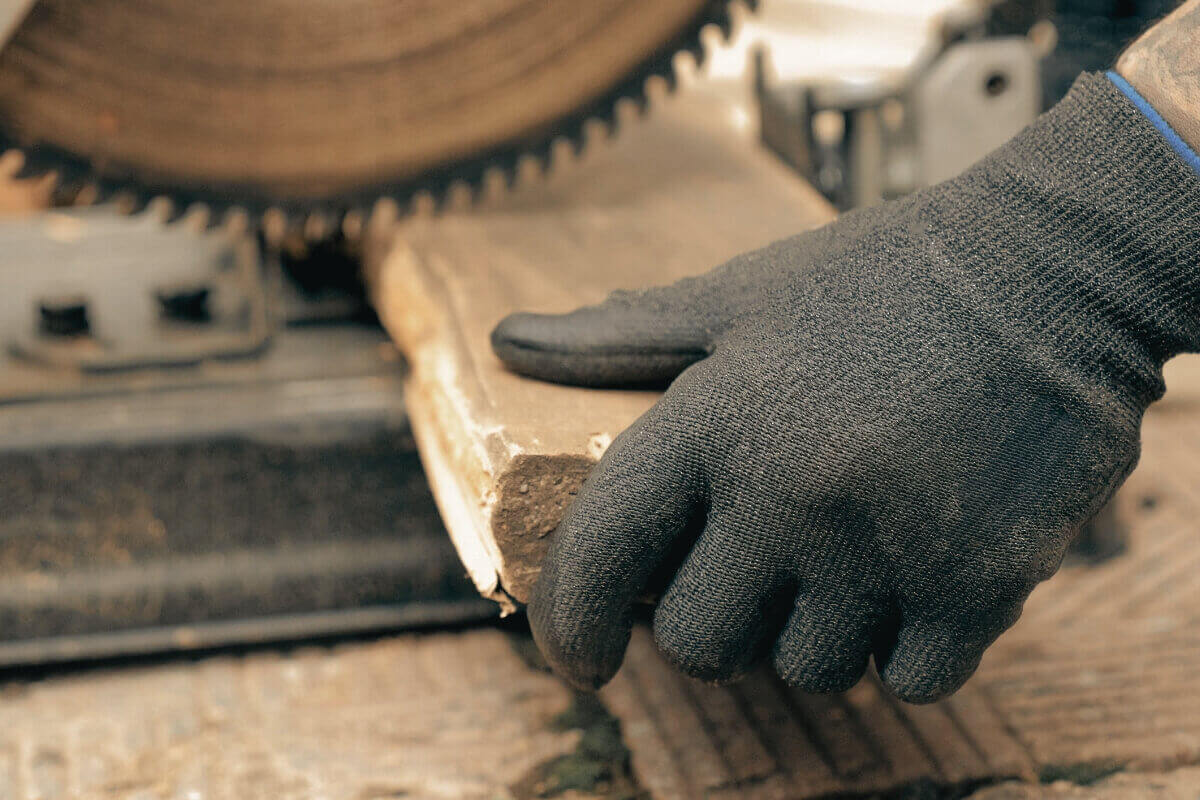
Industries where safety work gloves are essential
Safety work gloves are a vital part of personal protective equipment across a wide range of industries. Different work environments present unique hazards, and the right work gloves are crucial for protecting workers’ hands while maintaining efficiency and compliance.
- Construction: Workers handle heavy materials, sharp tools, and machinery daily. Work gloves protect against cuts, abrasions, impact, and puncture injuries, ensuring hands stay safe on-site.
- Manufacturing: Assembly lines, metalworking, and machinery operations expose employees to mechanical hazards. Cut-resistant, coated, and padded work gloves help minimize injury risks while improving grip and precision.
- Chemical handling: Laboratories, chemical plants, and cleaning operations involve exposure to corrosive or toxic substances. Chemical-resistant work gloves help prevent burns, skin irritation, and long-term health issues.
- Electrical work: Electricians and technicians face the risk of shocks and burns. Non-conductive, insulated work gloves provide essential protection when handling live wires or electrical components.
- Healthcare and laboratories: Medical staff and laboratory technicians are exposed to pathogens, biological fluids, and hazardous substances. Disposable and chemical-resistant work gloves help reduce the risk of infection and contamination.
- Food processing: Workers handle raw ingredients, machinery, and cleaning chemicals. Food-safe work gloves help protect against cuts, contamination, and chemical exposure while ensuring hygiene compliance.
Causes of hand injuries
One cause of hand injuries stands out above all others: non-compliance. Seventy percent of hand injuries occur because workers choose not to wear work gloves.
Employee reasons for not wearing construction safety work gloves include:
- Lack of access to appropriate work gloves, such as insulated rubber gloves required for electricians
- Not having work gloves that fit correctly
- Concerns that tasks cannot be completed while wearing work gloves
The risk of hand injuries is reduced by 60% when work gloves are used. However, workers are more likely to avoid work gloves if they are uncomfortable or restrict movement. Proper glove fit can determine whether tasks are completed safely or result in injury.
How to choose the right safety work gloves
Selection should be based on suitability for protection, compatibility with function, and user requirements.
To stay in line with your business, here are some factors to consider when choosing safety work gloves for your teams:
Assess the work and work environment
First, you must identify the different types of work the employee is required to perform and the environment in which it will be performed. This will help you decide on the material, size, and flexibility needed for their safety work gloves. Assess the hazards in your work environment carefully. Match the glove type to the task, considering material, coating, cut resistance, chemical resistance, or insulation as needed. Always check for recognized certifications to ensure the work gloves meet safety standards.
Get the right fit
Hands come in all different sizes, so do protective work gloves. By providing your employees with a proper fit, they can work comfortably, and you can eliminate the risks of work gloves becoming loose or too tight for the wearer’s circulation.
The right fit: Work gloves that are too loose can get caught in machinery, while work gloves that are too tight can restrict movement and cause fatigue. Choosing a glove that fits well ensures both safety and comfort, allowing you to work efficiently without compromising protection.
Dexterity: Many workers avoid work gloves because they feel bulky or reduce hand movement. Modern gloves are designed to provide excellent dexterity, letting you handle tools, small parts, and machinery with precision while still offering robust protection.
Types of safety work gloves: matching the glove to the task
Thinking you will be fine if something covers your hands can lead to serious problems. Using the wrong work gloves for a job can be very dangerous. Not all gloves are created equal. Safety work gloves are designed to protect your hands from specific hazards while allowing efficient work. A one-size-fits-all approach does not work because different tasks expose hands to different risks such as cuts, abrasions, chemicals, and extreme temperatures. Choosing the right glove for the job is essential for both safety and productivity.
Here is a guide to common types of safety work gloves and the tasks they are best suited for:
- Fabric or cotton gloves: Lightweight and breathable, these work gloves provide basic protection against minor abrasions, dirt, and dust. They are ideal for assembly line work, light material handling, and gardening. Canvas gloves are also a simple and affordable option for general use and are sometimes used as liners for more specialized gloves. Some canvas gloves come with leather palms, which improve durability and reduce cost.
- Leather gloves: Durable and versatile, leather work gloves are suitable for general-purpose work such as construction, welding, and outdoor maintenance. They protect against moderate abrasions and heat while offering good grip. Common types include goatskin, cowhide, pigskin, and premium deerskin. Leather provides strong abrasion resistance and natural heat resistance, making it effective against sparks and hot metal chips, although lower-grade leather may have imperfections.
- Rubber gloves: These work gloves should be regularly inspected for peeling, cuts, or cracks that can reduce effectiveness. Dipped rubber and flock-lined gloves are waterproof and flexible, offering good dexterity. They are commonly used for chemical handling and electrical protection tasks.
- Coated fabric gloves (nitrile, PU, latex): These work gloves combine comfort with grip and abrasion resistance, making them suitable for warehouse work, automotive tasks, and assembly work that requires dexterity. Polyurethane (PU) palm-dipped gloves are breathable, flexible, and cost-effective, making them ideal for precision tasks where dexterity is important. Latex gloves offer high flexibility and dexterity but may cause allergic reactions in some users. Nitrile gloves provide better durability and chemical resistance than latex and are widely used due to their versatility. Nitrile is also effective for oily and wet surfaces. PVC gloves offer chemical resistance and are commonly used in cleaning, plumbing, and janitorial work, although they are less comfortable and more specialized.
- Cut-resistant gloves (Kevlar®, Dyneema®): Designed to protect against sharp objects, these work gloves are rated under ANSI/ISEA standards for cut protection. They are ideal for metalworking, glass handling, and knife-related tasks.
- Chemical-resistant gloves (nitrile, butyl, neoprene): These work gloves are designed to resist hazardous substances such as solvents, oils, acids, and industrial chemicals. They are used in laboratory work, chemical processing, and industrial cleaning. Chemical compatibility should always be checked before use.
- Insulated or thermal gloves: These work gloves protect against extreme cold or heat. They are suitable for cold storage work, outdoor winter conditions, and high-temperature environments such as foundries.
- Anti-vibration or anti-impact gloves: These work gloves include padding or reinforcement to reduce shock from power tools. They are essential for construction work, jackhammer use, and prolonged use of vibrating equipment.
At CRESTONE, each glove is designed with specific workplace hazards in mind to ensure protection, comfort, and dexterity. Choosing the right glove is not only about safety but also about allowing hands to work efficiently and effectively.
Common mistakes and misconceptions
Even with the best intentions, workers often make mistakes when wearing safety work gloves. These habits can undermine protection and increase the risk of injury. Understanding common errors helps ensure gloves serve their purpose effectively:
- Using the wrong glove type: Wearing work gloves not designed for the specific hazard, such as fabric gloves for chemical handling, can expose hands to cuts, burns, or toxic substances. Always assess the task and select work gloves with the appropriate material and protection level.
- Reusing disposable gloves: Single-use work gloves are intended for one task or shift. Reusing them can lead to contamination, chemical exposure, or loss of barrier integrity. Dispose of them properly after use to maintain safety.
- Not replacing damaged gloves: Work gloves with holes, tears, or worn areas no longer provide adequate protection. Continuing to use them increases the risk of cuts, punctures, or chemical exposure. Inspect work gloves regularly and replace them immediately when compromised, as work gloves lose their protective properties over time or after heavy use.
- Assuming gloves are unnecessary for “quick tasks”: Many injuries occur during short or routine tasks. Skipping work gloves, even briefly, can result in serious cuts, burns, or punctures. Make glove use a consistent habit regardless of task length.
Avoiding these mistakes is simple: choose the right glove for the job, follow usage guidelines, inspect regularly, and never underestimate minor tasks.

Conclusion: protecting your hands is an investment
The importance of wearing safety work gloves cannot be overstated. These small but essential accessories act as a barrier between potential hazards and the hands, helping prevent injuries that can happen instantly or develop over time. From cuts and abrasions to chemical and thermal hazards, the risks are real but preventable with the right work gloves. Whether in construction, manufacturing, healthcare, or other industries, the right pair of work gloves helps ensure a safe and productive work environment. Choosing the correct glove type, assessing hazards, and maintaining proper use ensures both immediate protection and long-term hand health.
By prioritizing proper safety work gloves, we protect ourselves from harm and contribute to a workplace culture of responsibility and wellness. Wearing work gloves is not a chore but a smart investment in hands, productivity, and well-being. At CRESTONE, we provide high-quality safety work gloves designed to meet the needs of every industry.
Protect your hands, assess risks, choose the right work gloves, and make safety a habit with CRESTONE.
Frequently asked questions
What is the correct way to use gloves at work?
When using gloves, wash your hands before putting them on and change into a fresh pair when needed. Make sure they fit correctly. A glove that is too big will not stay on your hand, and one that is too small may rip or tear easily.
How to choose the suitable construction safety work gloves
Because construction work is diverse, no single glove type can protect against all hazards. Gloves must be selected based on the specific job, and workers may need to carry different gloves to ensure proper protection at all times.
When choosing construction safety work gloves, consider:
- What risks the worker faces, as different tasks require different protection levels
- How durable the gloves are and how long they provide protection
- How well the gloves fit, including comfort, sensitivity, and dexterity
- Cost, while remembering that the cost of injury is higher than the cost of prevention
Types of construction work gloves
- Proper construction materials are essential for safety. Common types of gloves include:
- Fabric gloves: Cotton and fabric gloves provide only minimal protection against minor cuts and abrasions and are mainly used for light tasks where cleanliness is the priority.
- Leather and canvas gloves: Leather and canvas gloves are suitable for general construction work, offering protection against cuts, abrasions, and heat.
- Chemical-resistant gloves: These gloves are used when handling hazardous chemicals and should be selected based on compatibility with the chemical’s safety data sheet.
- Kevlar gloves: Kevlar gloves provide protection against cuts and abrasions and also offer resistance to heat and cold.








May Ge
Outdoor Machinery Export Manager 6-Yr Exp 🌍 ∣ BSCI, EPA, EURO V, CE ∣ Generator, High-pressure Washer, Water Pump, Engine, Floor Scrubber ∣ 🚀 24/7 Second Reply
TAIZHOU BISON MACHINERY CO.,LTD | Ningbo University of Technology
Our related blog

work gloves for bricklaying
Do you want to know which type of work gloves are best for bricklaying? Then read this blog post to know everything you need to know. Let’s get started.

work gloves for sweaty hands
Read this post to learn what type of work gloves are best for sweaty hands.

know when to replace your work gloves
Know when to replace your work gloves by reading this guide. Read on to learn more. Let’s get started.

how to clean work gloves
Learn how to clean work gloves with this guide properly. Read on to learn more. Let’s get started.