

how to clean work gloves
Work gloves are essential to your safety equipment, whether you do construction or landscaping.
Imagine this: you’re on a busy construction site, handling tools and heavy materials, when you notice your work gloves are caked with dirt, grease, and sweat. Suddenly, your grip isn’t as strong, tasks take longer. Dirty gloves don’t just look unpleasant — they can reduce performance, harbor bacteria, and wear out faster than clean ones.
Work gloves come in various materials and offer specific benefits for your trade. Keeping your work gloves clean is essential not only for hygiene but also for extending their lifespan and maintaining optimal functionality.
To ensure that they last from one job to the next, learn how to clean a variety of work gloves properly. We’ll guide you through the proper cleaning methods for different types of work gloves, covering materials like leather, cotton, synthetic, and rubber, along with practical techniques to ensure your gloves stay safe, durable, and ready for every job.

Understanding and preparing your work gloves
Industries that use work gloves
For example, purchasing regular gloves won’t cut it if you work as a welder. you will work with different temperatures, proper heat protection means you’re less likely to get injured, so it’s essential. Additionally, specific welding methods, such as TIG, MIG, and Stick welding, requiring hand dexterity and grip. So choose the suitable gloves for your work field. That way, you will only end up with the right type. Some industries that require work gloves include:
- Firefighting
- Construction
- Oil and gas
- Steel mill
- Heavy equipment
- Carpentry
- Woodworking
- Logging
- Forestry
- Auto mechanics
You’ll have the protection you need with gloves to get the job done. Otherwise, you can end up with an unwanted injury.
Before diving into cleaning, it’s important to understand the materials of work gloves, helps you clean them properly. At CRESTONE, we manufacture high-quality work gloves designed for durability, comfort, and safety.
Types of work gloves
- Leather gloves: Durable and ideal for heavy-duty work, but sensitive to water and harsh chemicals.
- Cotton gloves: Soft and breathable, great for light tasks, and generally machine washable.
- Synthetic gloves: Made from materials like nylon or polyester, resistant to stains, and easy to clean with mild soap.
- Rubber gloves: Perfect for wet or chemical work; they can be rinsed and disinfected without damage.
- Insulated gloves: Designed for cold environments, requiring careful cleaning to maintain warmth and insulation.
Signs your work gloves need cleaning
- Visible dirt, grease, or stains
- Unpleasant odors
- Reduced flexibility or stiffness
Preparing work gloves for cleaning
- Read manufacturer instructions: Before cleaning, always check the care label on your gloves. Some materials have specific washing instructions, and following them helps prevent damage while maintaining performance.
- Safety precautions: Wear protective gear if needed, especially when handling chemicals or detergents. Avoid using harsh chemicals that can weaken the glove material or cause skin irritation.
- Preparing gloves for cleaning: Shake out debris, brush off heavy dirt, and inspect your gloves for damage such as tears or worn areas. Check seams and fasteners to make sure they’re intact, as damaged gloves should be repaired or replaced to maintain safety.
General cleaning methods and tips
- Soak: Fill a basin with warm water and a mild detergent. Submerge the work gloves and let them soak for 5–10 minutes to loosen dirt and grime.
- Gently scrub: Use your hands or a soft brush to gently scrub the work gloves, paying extra attention to heavily soiled areas. Avoid vigorous scrubbing, which can damage fibers or stitching.
- Rinse thoroughly: Rinse work gloves under running water until all soap is removed. Make sure no detergent residue remains, as it can cause skin irritation or stiffness in the material.
Cleaning methods by different glove material
Different glove materials require tailored cleaning methods to maintain safety, performance, and durability. Here’s a guide for the most common types of work gloves:
How to clean leather work gloves?
While you’ll likely entrust the cleaning of your leather jacket to the experts, cleaning your leather work gloves or leather driving gloves is an essential skill at home or work. You can make your gloves great again with just a few everyday household items. This method works well whether you need to clean them every day or every couple of months.
What you need:
- A toothbrush
- Damp cloth or sponge
- A bucket of cold water with ½ cup of mild soap
- Towel
- Clotheslines
What to do:
Leather gloves are durable but sensitive to water and harsh chemicals. Avoid fully submerging them in water.
- Clean the surface dirt with a toothbrush. Instead, use a damp cloth or sponge to spot clean dirt and stains.
- For stubborn grime, use a mild soap solution sparingly.
- Rinse gloves in cold water.
- Lay gloves flat on an absorbent towel and squeeze excess water and soap.
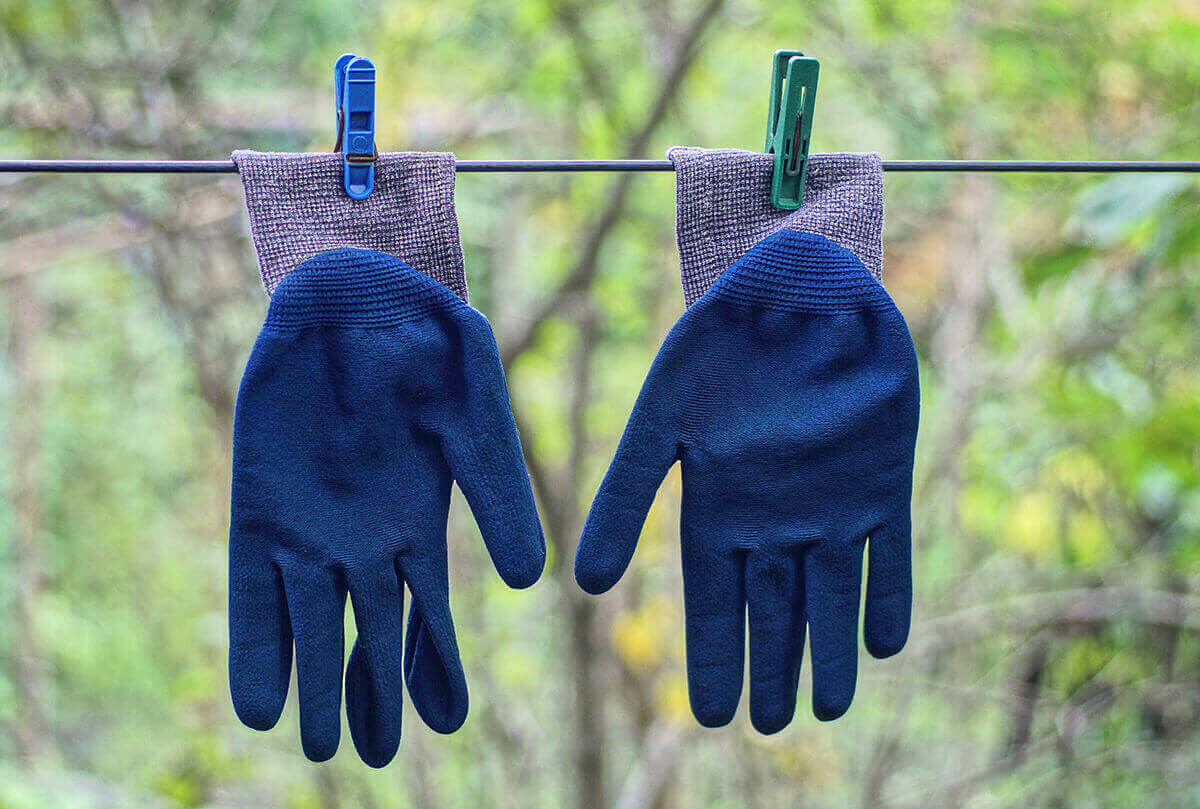
- Hang gloves to dry on clotheslines — never use direct heat like radiators or hair dryers.
- Knead periodically to keep the leather soft and supple until the gloves dry.
- Finish by applying a leather conditioner to keep the material soft, flexible, and long-lasting.
When it comes to cleaning leather gloves, practice makes perfect. Consider the following tips for developing skills:
- Regular maintenance: Clean leather gloves regularly to prevent dirt build-up and reduce the need for deep cleaning.
- Use the right products: Cleaning agents explicitly made for leather gloves to avoid damage.
- Gentleness: Be gentle when cleaning, especially with delicate leather types.
- Proper storage: Store leather gloves properly to avoid unnecessary wear and tear.
- Avoid excess water: The leather should not be soaked; use wet clothes sparingly.
- Seek professional help: Consult a professional leather cleaner when in doubt or dealing with high-quality, expensive gloves.

How to clean suede work gloves?
Cleaning your suede work gloves is similar to cleaning leather gloves with a few modifications. Excessive accumulation of dirt and debris can cause your gloves to harden. Follow the steps below to keep your gloves feeling and looking great for years.
What you need:
- Suede brush or bristle brush
- Clothespins
- A bucket of cold water with mild soap and one teaspoon of salt
- Clothespins
What to do:
- Clean surface dirt with a suede brush.
- Soak the gloves in cold water with a soap and salt solution.
- Using your hands, rub off as much dirt and debris as possible, paying particular attention to the fingers.
- Rinse gloves in cold water.
- Lay gloves flat on an absorbent towel and squeeze excess water and soap.
- Add clothespins to the fingers to keep the shape.
- Hang the gloves to dry with clothespins.
- After the gloves are partially dry, remove the clothespins from the fingers.
- Knead the suede periodically to keep it flexible until the glove dries.
How to clean synthetic work gloves?
Whether your work gloves are rubber, nitrile, neoprene, or PVC, you’re lucky — synthetic gloves are often the easiest to clean. However, if you are working with chemicals, you may need extra precautions. Wash your gloves with water and soap before removing them. Using a hose or utility sink is best, especially if using chemicals. Upon removal, wash your hands. Hang gloves to dry and store them in a dry place to avoid mildew.
How to clean knitted or cotton work gloves?
Cotton and knit work gloves allow you to use a modern convenience — your washing machine. Cotton and woven materials often differ, so each type requires different care.
Cotton work gloves
Strong cotton gloves are helpful in various trades, from carpentry to landscaping. Start by washing off excess debris and dirt with a hose. After pre-rinsing, wash them in your washing machine in mild hot water with a mild laundry detergent. Once done, you can dry them in your dryer or hang them to dry. Hand washing also works if you need a washer and dryer. Avoid using harsh soaps or bleach — these solutions damage the integrity of the fabric and shorten the life of your work gloves.
Knitted gloves
Stretchy knit gloves are a favorite — especially among gardeners. They provide a low-profile fit and plenty of dexterity while protecting your hands from dirt and debris. When it’s time to bathe them, rinse them under a hose first to remove caked-on dirt. As with cotton gloves, pop them in your washing machine with a mild laundry detergent. This time, use cold water instead of hot water to protect the more delicate fibers. Remove from the washer and hang to dry. Knitted gloves can also be hand-washed if you don’t have a washing machine.
These gloves can often be hand-washed or gently machine-washed. Start by soaking them in warm water with mild detergent for 5–10 minutes. Use your hands or a soft brush to gently scrub any stained or dirty areas. Rinse thoroughly under running water to remove all soap. Air-dry them flat or hang them in a well-ventilated area — avoid high heat that can shrink or weaken the fibers.
How to clean disposable gloves?
Disposable nitrile, rubber, and vinyl gloves are designed for single use. Cleaning for reuse is not recommended. However, disposable gloves used for personal use, such as craft projects, can often be cleaned for reuse.
Rubber gloves: Gloves made of rubber-like materials are easy to clean. Simply rinse under warm water to remove dirt and debris. For extra hygiene, you can use a mild disinfecting solution. After cleaning, dry thoroughly both inside and out to prevent moisture buildup that can lead to odors or deterioration.
Cleaning nitrile work gloves: Nitrile gloves used for chemical protection require special care. Wash them in a utility sink with soap and water and let them dry. Some chemicals can cause the gloves to soften or swell, so wash them thoroughly and let them dry completely. Store gloves in a dry place to help prevent mold growth.
Nitrile-coated gloves used for general purposes and cut-resistant applications can be machine-washed with soap in warm water. Drain the water and soap on a high-speed setting and tumble dry on low to medium heat. Nitrile-coated gloves can also be dry-cleaned. Do not bleach, as chlorine bleach can damage many base materials, such as aramid fiber.
How to clean spandex gloves?
Spandex is a thin, artificial fabric perfect for making stretchable, durable gloves for any need. These gloves can be an excellent solution for jobs that require your fingers to work fine, such as mechanical repair. They are easy to keep clean and can help extend their life significantly.
Spandex should be hand-washed in most cases to maintain the shape and size of your gloves. Add some mild soap to cold water and clean your spandex gloves thoroughly but gently. Use only your hands and do not use anything harsh, especially if they are printed with a silkscreen design. After washing, rinse with cold tap water.
Squeeze out as much water as possible and hang the gloves to dry. Never run them through the dryer. Do not stretch your spandex gloves to dry; let them hang naturally. Do not dry them on a flat surface. After drying, they will easily spring back into shape.
How to clean neoprene gloves?
Working with chemicals requires the use of neoprene gloves. Neoprene is a synthetic rubber that provides waterproof protection while protecting your hands from chemicals and liquids. Workers in many settings use neoprene gloves.
Before removing gloves, wash them with soap and water in a utility sink or hose. After cleaning the gloves, wash your hands to remove any remaining chemicals. Hang the gloves to dry and store them in a dry environment to protect against mildew and mold growth.
By following these material-specific cleaning methods, your work gloves will remain safe, comfortable, and long-lasting for every task. The information provided in this guide should not replace your use of any manufacturer’s instructions, technical product manuals, or other professional resources or advisors available to you. Always read, understand, and follow all manufacturer’s instructions.
Tips for extending work glove life
Taking a few extra steps in caring for your work gloves can significantly extend their lifespan, save money, and ensure they continue performing safely and effectively.
Maintain a regular cleaning schedule: Clean your work gloves regularly based on how often and how intensely they are used. Gloves exposed to heavy dirt, chemicals, or sweat benefit from more frequent cleaning. A consistent schedule prevents buildup of grime and bacteria, keeping work gloves hygienic and flexible.
Avoid contaminants: Remove work gloves before touching surfaces that aren’t part of your work tasks, such as door handles, phones, or food. This prevents unnecessary dirt or chemicals from transferring back onto the work gloves, which can accelerate wear and reduce their effectiveness.
Repair minor damage: Small issues like tiny holes, fraying seams, or loose stitching can often be repaired before they become major problems. Patch holes, reinforce seams, or stitch minor tears to keep work gloves functional longer. Regular inspection and prompt repair help maintain safety and performance without having to replace work gloves prematurely.
By following these simple practices, you can maximize the life of your work gloves, keeping them reliable, safe, and comfortable for every task. Proper care is a small effort that pays off with long-term durability and performance.
Recognizing when to replace gloves: Even with proper care, gloves wear out over time. Replace work gloves if you notice:
- Holes, or fraying seams
- Stiffness or loss of flexibility
- Worn-out grip or padding
- Persistent odors that don’t go away after cleaning
Conclusion
Keeping your work gloves clean can help extend their lifespan and give you a solid pair of gloves to work with for years to come. Clean work gloves reduce the risk of damage over time, helping the material remain strong and minimizing the need for replacements. Making glove cleaning a routine habit, saving money while maintaining safety and comfort.
As a professional work gloves manufacturer in China, CRESTONE encourages you to take the time to clean your gloves properly. By following the cleaning tips outlined in this article, you can ensure your work gloves remain reliable, durable, and ready for every task. Invest a little effort today, to clean your work gloves — and your hands — will thank you tomorrow.
Frequently asked questions
Can I use hand wipes on leather gloves?
We do not recommend cleaning your leather with sanitizing wipes or sprays, as this can damage your leather’s finish. Soap and water are the best ways to clean your hands, and it’s perfectly safe and effective for leather gloves, too!
Is coconut oil good for leather gloves?
Coconut oil absorbs well into the leather and has no harsh chemicals or odors like other waterproofing solutions. Massage vigorously into the leather gloves. Let the coconut oil soak for 12–24 hours before using.
Can you wash welding gloves?
Welding gloves are an essential piece of protective equipment for any welder. But as with anything regularly exposed to heat, sparks, and other debris, they can get dirty and worn over time.
So, can you wash welding gloves? The answer is yes, but with some important caveats. Before washing, refer to the manufacturer’s care instructions for any specific cleaning guidelines. It is generally best to hand wash welding gloves with mild soap and warm water. Avoid using bleach or hot water, as these can damage the gloves. Once washed, allow gloves to dry naturally, away from heat sources. With proper care, your welding gloves can last for years, providing the necessary protection.





May Ge
Outdoor Machinery Export Manager 6-Yr Exp 🌍 ∣ BSCI, EPA, EURO V, CE ∣ Generator, High-pressure Washer, Water Pump, Engine, Floor Scrubber ∣ 🚀 24/7 Second Reply
TAIZHOU BISON MACHINERY CO.,LTD | Ningbo University of Technology
Our related blog

work gloves for bricklaying
Do you want to know which type of work gloves are best for bricklaying? Then read this blog post to know everything you need to know. Let’s get started.

work gloves for sweaty hands
Read this post to learn what type of work gloves are best for sweaty hands.

importance of wearing safety work gloves
Do you want to know the importance of wearing safety work gloves? Then read this blog post to know all the reasons why wearing safety work gloves is important. Let’s get started.

know when to replace your work gloves
Know when to replace your work gloves by reading this guide. Read on to learn more. Let’s get started.