

know when to replace your work gloves
Your hands are your most valuable tools, but are you giving them the protection they deserve? Across industries like construction, manufacturing, gardening, and laboratory work, gloves play a critical role in keeping hands safe, comfortable, and productive.
All work gloves need to be replaced over time, especially with regular use. While they don’t wear out instantly, getting a few weeks from a frequently used pair is generally considered a good lifespan.
Too often, workers continue using the wrong work gloves or wear them past their prime, increasing the risk of injury, discomfort, and reduced efficiency.
CRESTONE understand that choosing the right work gloves is only half the battle — knowing when to replace them is just as important.
This guide provides a clear, easy-to-follow approach to help you identify when your work gloves have reached the end of their useful life, so you can maintain safety, comfort, and performance on the job.

Why proper work glove timely replacement matters
Work gloves act as a critical barrier against cuts, abrasions, chemical exposure, burns, and other workplace hazards. When gloves are worn out, torn, or not suited for the task, this protection is compromised, increasing the risk of injury. Even minor wear can reduce resistance to punctures or impact, making accidents more likely.
Hygiene is another important factor. Reusable work gloves can accumulate dirt, bacteria, or chemical residues over time, leading to skin irritation, infections, or allergic reactions. Regular cleaning and timely replacement help maintain hand health and protection. In industries like food handling and healthcare, poor glove hygiene can pose serious health risks.
Work glove condition also affects performance and comfort. Worn-out gloves can reduce grip, dexterity, and overall efficiency, making tasks slower and more difficult. They may also cause discomfort, blisters, or pressure points, which can distract workers and reduce focus.
Neglecting to replace damaged work gloves can lead to increased injury risk, reduced productivity, lower comfort, and hygiene issues.
At CRESTONE, we emphasize that well-maintained work gloves are an investment in safety, efficiency, and reliable performance.
Do work gloves have a shelf life?
When workers and manufacturers talk about “durability,” they mean how long work gloves can be used before they are worn out and no longer effective.
The lifespan of safety work gloves mainly depends on the material. Disposable natural latex gloves typically last up to three years, while nitrile disposable gloves can last up to five years. Kevlar gloves may begin to deteriorate after repeated washing. Gloves made from polyvinyl chloride (vinyl), neoprene, and polyurethane can last five years or more, and some may last up to 10 years. High-quality leather gloves can last a long time with proper care. Always check the manufacturing date and follow the manufacturer’s recommendations.
Factors that affect work glove longevity
The lifespan of work gloves can vary depending on several factors:
- Frequency and type of use: work gloves used daily or for heavy-duty tasks wear out faster than those used occasionally. Tasks involving sharp tools or abrasive materials speed up wear.
- Exposure to harsh environments: contact with chemicals, oils, heat, cold, or rough surfaces can weaken gloves and reduce their lifespan.
Proper maintenance, storage, and the type of work also affect how long work gloves last. By considering these factors, workers can better plan replacements and maintain safety and comfort.
Look for signs of wear and tear
Key signs that indicate it’s time to replace your work gloves
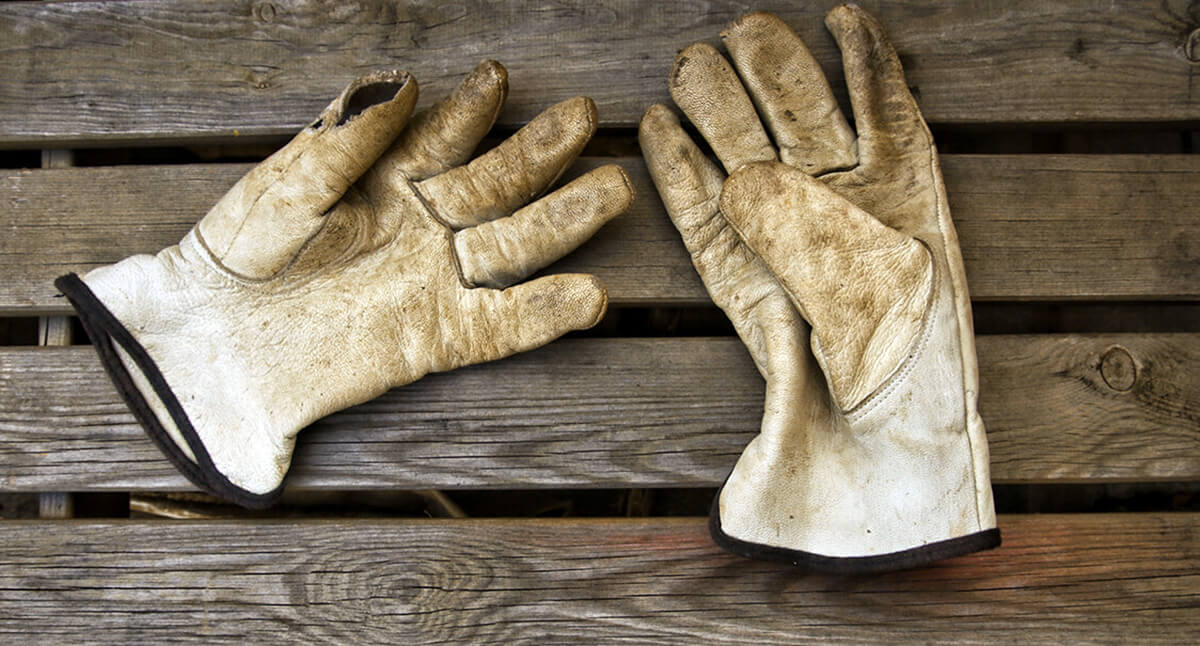
Job sites require higher safety standards. There are visual signs when work gloves have reached the end, such as color changes, worn coatings, holes, or fully worn surfaces, watch for these warning signs:
- Fraying of materials: loose threads, rips, holes, or material loss. Sharp objects can easily poke through damaged fabric.
- Cracked spots: frequently used areas like the palm, joints, or thumb may wear down or feel thin.
- Peeling coatings: coatings or patches may peel or detach, making the work gloves less effective.
- Change in fit: work gloves may lose elasticity, stretch, shrink, or become misshapen, affecting fit and performance.
- Stains and discoloration: stains or discoloration may indicate chemical exposure and reduced protection.
- Brittle material: work gloves may feel stiff, hard, or make a creaking sound after exposure to hazardous materials.
- Strong odors: odors from chemicals, sweat, or moisture may indicate contamination.
- Loss of functionality: stiffness, brittleness, cracking, or loss of insulation in cold-weather work gloves.
- Contamination issues: signs of mold, mildew, or fungal growth.
By regularly inspecting your work gloves, you can prevent injuries, maintain hygiene, and ensure comfort and productivity.
Beyond damage, replace work gloves according to manufacturer guidelines or follow workplace rules for work glove replacement to ensure safety and compliance.
3-step process to check the condition of your work gloves
Check the integrity of the work gloves before use.
- Wash: clean the work gloves to remove dirt so you can properly assess their condition.
- Monitor: if there are light signs of wear but no major damage, continue using them while watching for further deterioration.
- Throw out: replace work gloves if there are worn areas on the hand or palm, rips, snags, visible holes, or if they are too dirty or have reached their wash limit.
Best practices for extending the life of your work gloves
Proper care and smart usage can extend the lifespan of your work gloves, ensuring better protection, comfort, and efficiency. Follow these best practices:
- Use the right work glove for each task: select workgloves designed for your specific work, whether handling chemicals, construction, or precision tasks. Using the right glove reduces wear and prevents damage.
- Proper care and maintenance: inspect work gloves regularly for damage, especially after heavy use. Follow manufacturer instructions for cleaning and maintenance. Wash work gloves as recommended to remove dirt, chemicals, and debris. Avoid harsh detergents or high temperatures unless the gloves are rated for them.
- Proper storage: store work gloves in a clean, dry place away from sunlight, heat, and chemicals. Avoid leaving them damp or compressing them for long periods to prevent deformation, stiffness, or cracking.
- Rotate multiple glove pairs: use and rotate multiple pairs to reduce continuous wear and allow work gloves to dry between uses, extending their lifespan.
- Some work gloves are designed for single use, such as disposable gloves used in medical, food service, and cleaning work, and should be discarded after use.
CRESTONE emphasize that proper use, care, and timely replacement help maximize work glove performance and lifespan.
Conclusion
At CRESTONE, we stress that work glove safety should never be overlooked. Your safety is in your hands. Inspect your gloves before every use — when in doubt, swap them out. Recognizing the signs that it is time to replace your work gloves is vital to maintaining safety and efficiency on the job. Whether torn materials, compromised grip, or poor stitching, ignoring these red flags can lead to hazards and reduced performance. By paying attention to work glove condition, following proper maintenance practices, and replacing work gloves when necessary, workers can maintain safety and performance on the job.
Worn-out or damaged work gloves compromise safety, comfort, and productivity, but replacing them is a small investment compared to the cost of hand injuries, medical bills, and lost work time. A well-maintained pair of gloves is an investment in safety and productivity, so stay informed, be proactive, and use the right equipment for the job. Your hands deserve it.
Frequently asked questions
Can I repair work gloves instead of replacing them?
In most cases, repairing gloves is not recommended. Even small tears or worn areas can compromise protection. It is safer to replace gloves to ensure full hand protection.
Are cheap gloves more cost-effective if replaced more often?
Not necessarily. While inexpensive gloves may have a lower upfront cost, frequent replacements can add up over time. Investing in quality gloves like those from CRESTONE often provides better durability, comfort, and long-term value.






May Ge
Outdoor Machinery Export Manager 6-Yr Exp 🌍 ∣ BSCI, EPA, EURO V, CE ∣ Generator, High-pressure Washer, Water Pump, Engine, Floor Scrubber ∣ 🚀 24/7 Second Reply
TAIZHOU BISON MACHINERY CO.,LTD | Ningbo University of Technology
Our related blog

work gloves for bricklaying
Do you want to know which type of work gloves are best for bricklaying? Then read this blog post to know everything you need to know. Let’s get started.

work gloves for sweaty hands
Read this post to learn what type of work gloves are best for sweaty hands.

importance of wearing safety work gloves
Do you want to know the importance of wearing safety work gloves? Then read this blog post to know all the reasons why wearing safety work gloves is important. Let’s get started.

how to clean work gloves
Learn how to clean work gloves with this guide properly. Read on to learn more. Let’s get started.