

work gloves for bricklaying
Construction work is inherently demanding and carries significant risks, making safety a top priority. For bricklayers, hands are constantly exposed to harsh conditions, including abrasion from rough bricks, irritation from cement and mortar, cuts from tools, and extreme weather. These hazards can cause injuries and skin conditions such as dermatitis, affecting both comfort and productivity. Work gloves for bricklaying are designed to provide reliable hand protection without compromising grip.
This article explores the key features of bricklaying work gloves, focusing on protection, grip, and durability, to help masons choose the right pair. As a professional work glove manufacturer, MATCHUP is committed to providing high-quality gloves that meet these demanding needs while ensuring safety and productivity on the job site.
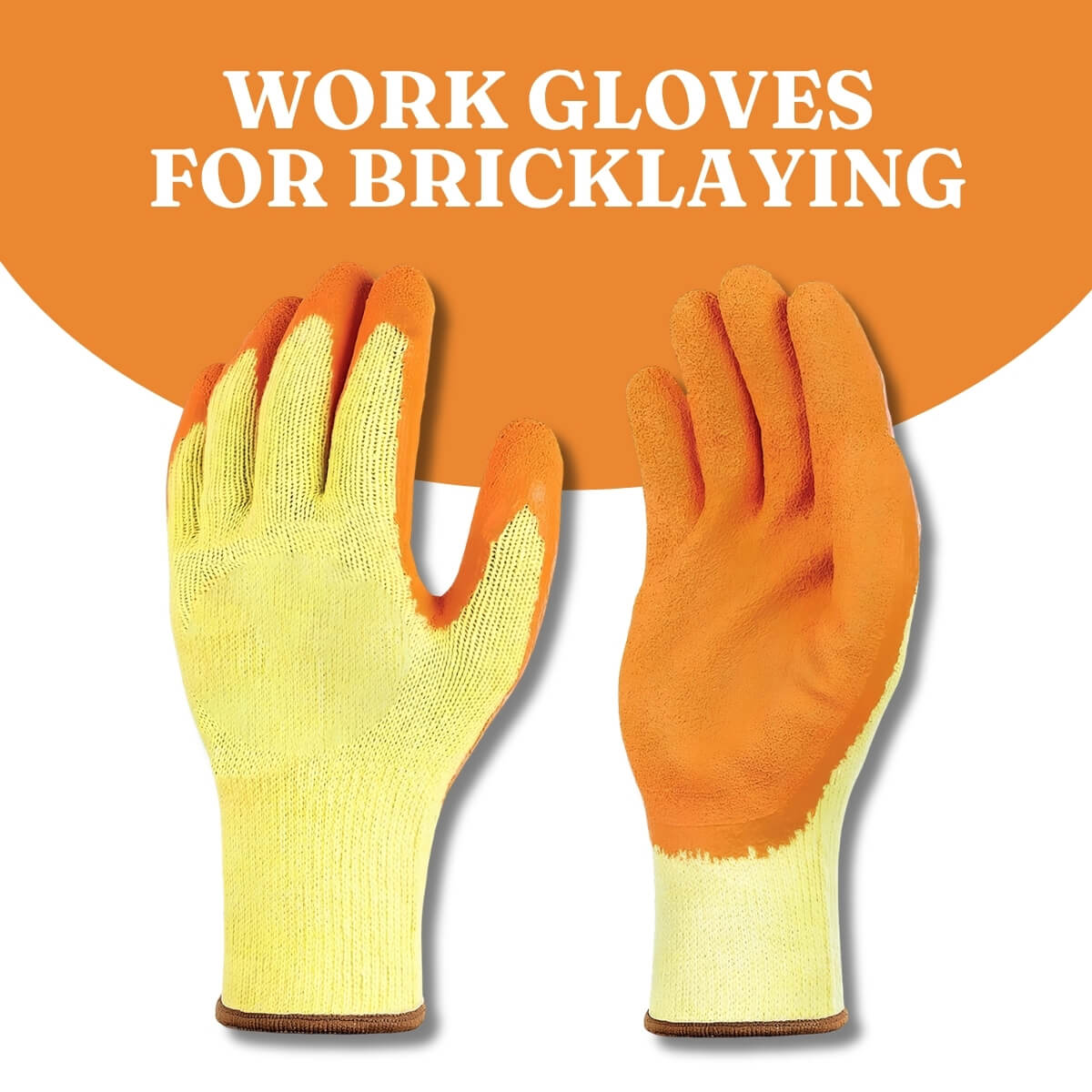
Understanding the importance of work gloves for Bricklaying
Bricklaying is physically demanding work that requires strength, skill, and endurance. Bricklayers handle heavy bricks, mix mortar, and use tools such as trowels and hammers throughout the day, placing constant stress on their hands.
Their hands are exposed to various hazards, including cuts, scrapes, punctures from rough bricks and sharp tools, skin irritation from cement and other chemicals, blisters and muscle strain from repetitive movements, and discomfort caused by hot or cold weather.
Work gloves help protect against these risks by shielding hands from cuts, scrapes, and chemicals while improving grip and reducing hand fatigue. Wearing the right gloves allows bricklayers to work more safely and efficiently throughout the day.
Types of work gloves for specific bricklaying tasks
General-purpose gloves
- Provide a balance of durability, dexterity, and grip.
- Suitable for handling bricks, mixing mortar, and using standard tools.
Heavy-duty gloves
- Designed for demolition and handling rough materials.
- Feature reinforced palms and high cut resistance.
- Protect against cuts, punctures, and impacts.
- May be less flexible than general-purpose gloves.
Winter gloves
- Designed for cold-weather work.
- Feature thermal lining to keep hands warm.
- Often made with water-resistant materials for snow and damp conditions.
Gloves for wet conditions
- Typically nitrile-coated or waterproof.
- Ideal for handling wet mortar or working in rainy conditions.
- Provide a secure grip while keeping hands dry.

What should I look for in a bricklaying glove?
When choosing bricklaying work gloves, consider the following key features:
Material options
Work gloves are available in different materials, each offering different benefits. Leather is durable and long-lasting, provides good protection against cuts and abrasions, although it may feel stiff at first. Synthetic leather is usually more flexible, lightweight, and quick-drying, may wear out faster than leather gloves. Canvas or cotton gloves are breathable and comfortable but offer less protection against sharp edges and heavy tools. Hybrid gloves combine different materials, such as leather palms and breathable fabric backs. Offer a balance of protection, flexibility, and comfort.
Since bricks and building materials can be highly abrasive, work gloves should provide sufficient protection. Good ventilation is also important because work gloves that trap heat and moisture can cause sweating, leading to bacterial build-up and unpleasant odours.
Cut and impact resistance
Work gloves should protect against cuts, punctures, and impacts. Look for work gloves with proper ANSI/ISEA ratings, which show tested levels of cut and impact resistance. This helps ensure that your hands are protected from common bricklaying hazards.
Grip and dexterity
Bricklaying often requires a secure grip and precise hand movements. A good pair of work gloves should allow you to hold bricks and tools securely without slipping. Textured palms can improve grip, while flexible fingers allow you to handle materials and tools with greater precision, without constantly removing your work gloves, making the work easier and more efficient to handle different objects.
Comfort and fit
Work gloves should remain comfortable during long hours of work. Breathable materials help keep your hands dry, while secure closures, such as hook-and-loop straps or elastic cuffs, help keep the work gloves in place.
Proper sizing is important. Work gloves should not feel too tight or restrictive, should fit snugly without restricting movement, as a secure fit is less likely to catch on objects and can provide better sensitivity. The wrist area should also fit properly to prevent debris from entering the work gloves, which can cause scratches and be difficult to remove.
Choosing work gloves with these features can help protect your hands, reduce fatigue, and make bricklaying tasks easier and more efficient.
Special considerations for different working conditions
Weather conditions
- Cold weather: Insulated gloves help keep hands warm, maintain flexibility, and prevent stiffness and discomfort.
- Hot weather: Breathable gloves promote air circulation, keeping hands cool, reducing sweat, and maintaining grip and comfort.
Special tasks
- Detailed work: Work gloves with reinforced fingertips provide better control and reduce wear in high-contact areas.
- Heavy lifting or demolition: Work gloves with extra padding or reinforced palms protect against cuts, reduce impact, and minimize hand fatigue.
Practical advice
- Match your work gloves to the working conditions and tasks.
- Consider the temperature, wet or dry conditions, and the type of work.
- Work gloves that are too thick for detailed work or too thin for heavy lifting can make tasks more difficult and increase the risk of injury.
Choosing work gloves suited to the environment and task helps keep hands safe, comfortable, and productive.

Conclusion
High-quality gloves with cut and impact resistance, durable palms, a secure grip, comfort and fit help protect hands. When selecting work gloves, consider the materials, environment
and specific job requirements to ensure continued protection.
As a professional work glove manufacturer, MATCHUP is committed to providing durable, comfortable, and protective gloves designed for the demands of bricklaying. Choose the right pair of gloves to protect the worker‘s hands and work with confidence. Don’t compromise on safety— Visit MATCHUP now to find the perfect work gloves!
Frequently asked questions
What PPE is needed for bricklaying?
Bricklayers should wear appropriate personal protective equipment (PPE) to reduce the risk of injury. Common PPE includes hard hats, safety glasses, protective clothing, face masks or respirators, work gloves, and steel-toed boots.



May Ge
Outdoor Machinery Export Manager 6-Yr Exp 🌍 ∣ BSCI, EPA, EURO V, CE ∣ Generator, High-pressure Washer, Water Pump, Engine, Floor Scrubber ∣ 🚀 24/7 Second Reply
TAIZHOU BISON MACHINERY CO.,LTD | Ningbo University of Technology
Our related blog

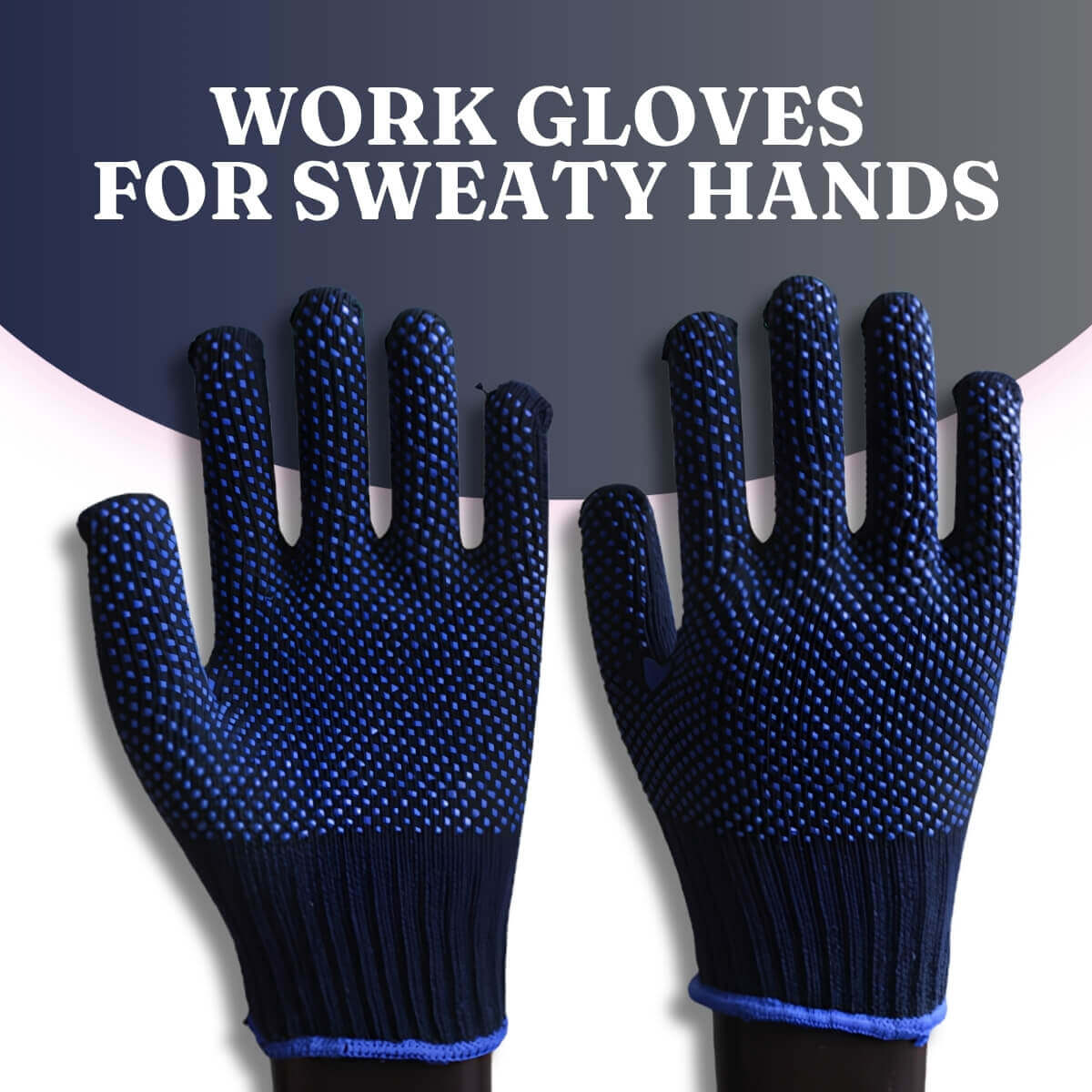
work gloves for sweaty hands
Read this post to learn what type of work gloves are best for sweaty hands.

importance of wearing safety work gloves
Do you want to know the importance of wearing safety work gloves? Then read this blog post to know all the reasons why wearing safety work gloves is important. Let’s get started.

know when to replace your work gloves
Know when to replace your work gloves by reading this guide. Read on to learn more. Let’s get started.

how to clean work gloves
Learn how to clean work gloves with this guide properly. Read on to learn more. Let’s get started.