

how to maintain and clean pliers
Pliers are indispensable tools used for household tasks, DIY projects, and professional work. They come in various types, including needle-nose pliers for precision work, slip-joint pliers for adjustable gripping, cutting pliers for snipping wires, and locking pliers for firmly holding objects. Their versatility makes them essential, but only when they are in good condition. Poorly maintained pliers can develop rust, lose grip strength, and become damaged, reducing efficiency and increasing the risk of injury.
Regular cleaning is essential, especially since they are often used in dirty or greasy conditions. Cleaning them after use removes dirt and debris that can cause corrosion and deterioration. Keeping pliers clean, lubricated, and properly stored ensures they remain effective and safe to use. Regular maintenance also allows you to inspect them and determine when replacement is necessary.
This guide provides a simple and comprehensive approach to cleaning and maintaining pliers, helping keep them in good condition and ready for any task.

Why should you clean pliers?
- Pliers, like other tools, collect dirt and debris during use or storage, which can affect their performance and make them less effective.
- The cleaning process allows close inspection, making it easier to identify damage or parts that need servicing or replacement. Regular inspection helps ensure the tool functions properly and avoids issues during use.
- Regular cleaning dirt and moisture reduces the risk of corrosion and wear, allowing extends the lifespan of pliers.
Cleaning pliers ensures they remain reliable, safe, and ready for any task.
What parts of the pliers should you clean?
Pliers have three main parts: the head, the pivot or fulcrum, and the handles. Each part requires proper attention during cleaning to maintain performance and durability. The head includes the jaws (from the fulcrum to the tip of the nose) and, in some types, the cutting edges located near the pivot. Different parts are affected by different types of dirt, so each must be cleaned properly.
Jaws (gripping surface)
The jaws are used for holding, bending, or twisting. Keeping them clean and free from rust or dirt ensures a strong and safe grip. Dirt buildup in the grooves can reduce effectiveness.
Cutting edges (if present)
Some pliers have cutting edges near the pivot. These should be kept sharp and smooth, as dull or damaged edges make cutting difficult and unsafe.
Pivot joint (fulcrum)
This is the point where the pliers open and close. Dirt and rust can make movement stiff, so it should be cleaned and lightly lubricated to keep it working smoothly.
Handles/grips
Handles are often exposed to grease and stains. Keeping them clean and dry helps prevent slipping and ensures a comfortable and secure hold.
Safety precautions before maintenance and clean
Before cleaning or maintaining your pliers, it is important to follow safety precautions to avoid injury.
- Wear safety gear: Wear gloves to protect your hands from sharp edges, rust, or chemicals. Safety glasses are also recommended to protect your eyes from dust, dirt, or small metal particles.
- Make sure pliers are free from materials: Check that the pliers are not holding wires, nails, or hot objects to prevent cuts, shocks, or burns during maintenance.
- Work in a safe environment: Use a clean, well-lit, and organized workspace to reduce the risk of accidents, such as dropping tools or losing small parts.
Following these precautions helps ensure safe and effective maintenance while keeping your tools in good condition.
How to clean dirty pliers (using dish soap and warm water)
Cleaning pliers with dish soap and warm water is a simple and effective way to remove dirt and grease from all parts of the tool.
Tools and equipment: Dish soap, bucket, hot water, toothbrush, and two clean cloths or towels.
- Remove surface dirt and grease: Wipe the pliers with a clean cloth to remove dust, dirt, or grease.
- Prepare the cleaning solution: Pour hot water into a bucket, add dish soap, and mix until it forms a lather.
- Soak the pliers: Place the pliers in the solution and let them sit for about 5 minutes to loosen dirt and grime.
- Scrub the pliers: Use a toothbrush to clean the serrations on the jaws and the crevices around the joints. Wipe the handles with a cloth, paying attention to rubber grips where grease and stains build up.
- Rinse thoroughly: Rinse the pliers with clean water to remove all soap residue.
- Dry completely: Wipe the pliers with a dry cloth and ensure all moisture is removed, especially around the joints. Proper drying helps prevent rust and damage.
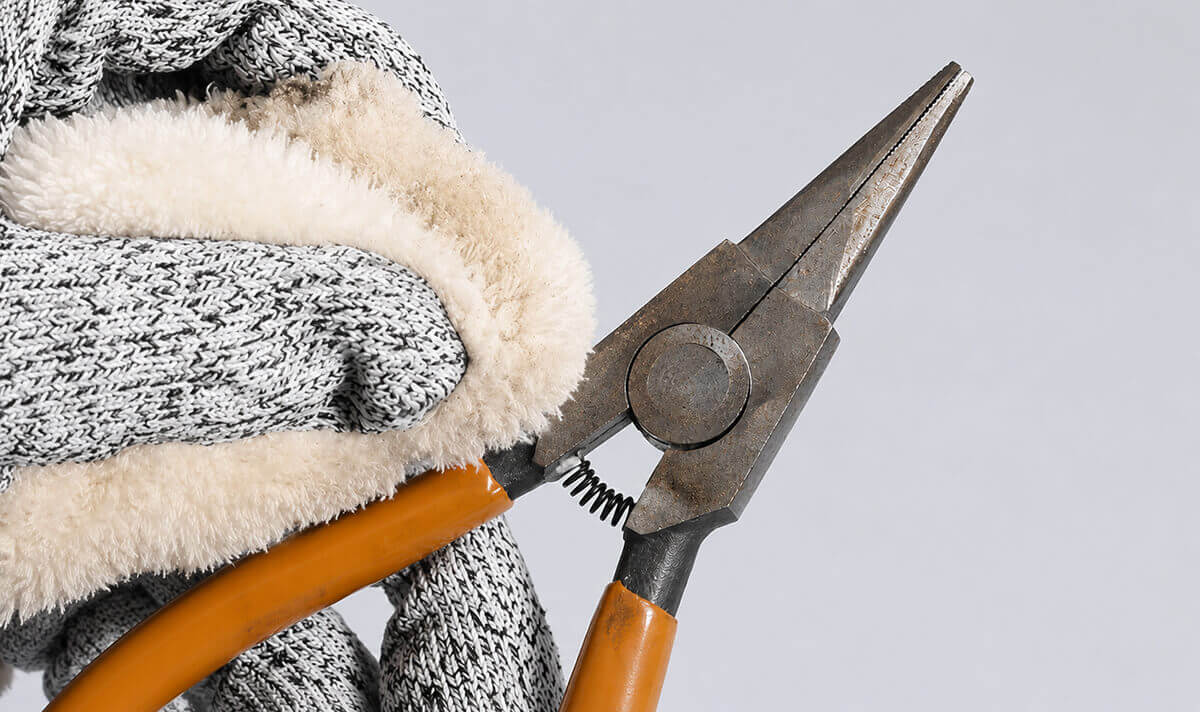
How to remove rust from pliers (5 ways)
Rust forms when iron reacts with oxygen in the presence of moisture, causing deterioration and reduced tool lifespan. Since most pliers are made of steel, they are prone to rust. Keeping them dry and applying oil helps prevent corrosion, but if rust forms, the following methods can remove it effectively.
Method 1: Remove rust with vinegar
Tools and equipment
Distilled white vinegar, old toothbrush, cup, machine oil or linseed oil.
- Pour vinegar into a cup, enough to cover the rusted parts.
- Soak the pliers for 24 hours.
- Remove and scrub with a toothbrush.
- Open and close the jaws while dipping to clean the joint.
- Rinse with water and dry completely.
- Apply a thin coat of oil, lubricate the joints, and wipe the excess.
Method 2: Remove rust with WD-40 (for mild rust)
Tools and equipment: Cloth, WD-40.
- Spray WD-40 on rusted areas, especially jaws and joints.
- Open and close the pliers to spread the oil.
- Let it sit for 15 minutes.
- Wipe and scrub lightly using a cloth or mild abrasive.
- Clean the joints and jaws, then wipe dry.
- Apply a thin coat of oil for protection.
Method 3: Remove rust with lemon and salt
Tools and equipment: Lemon, salt, cup, scouring pad or cloth.
- Mix lemon juice and salt to form a paste.
- Apply the paste to rusted areas and leave for 30 minutes.
- Scrub with a pad or cloth.
- Rinse with water and dry completely.
- Apply a thin coat of oil and lubricate the joints.
Method 4: Use a commercial rust remover
Tools and equipment: Rust remover, cup, cloth, gloves, toothbrush or wire brush.
- Wear protective gear.
- Pour rust remover into a container.
- Soak pliers for several hours as directed.
- Scrub if needed to remove loosened rust.
- Rinse, dry thoroughly, and inspect.
- Apply oil to prevent future rust.
Method 5: Use a brass brush and machine oil
Tools and equipment: Brass brush, machine oil, cloth.
- Apply oil to rusted areas and let it sit for 10 minutes.
- Scrub with a brass brush, focusing on joints and jaws.
- Wipe clean with a cloth.
- Repeat if needed until rust is removed.
- Apply a thin coat of oil for protection.
Following these steps helps remove rust effectively and keeps pliers clean, functional, and long-lasting.
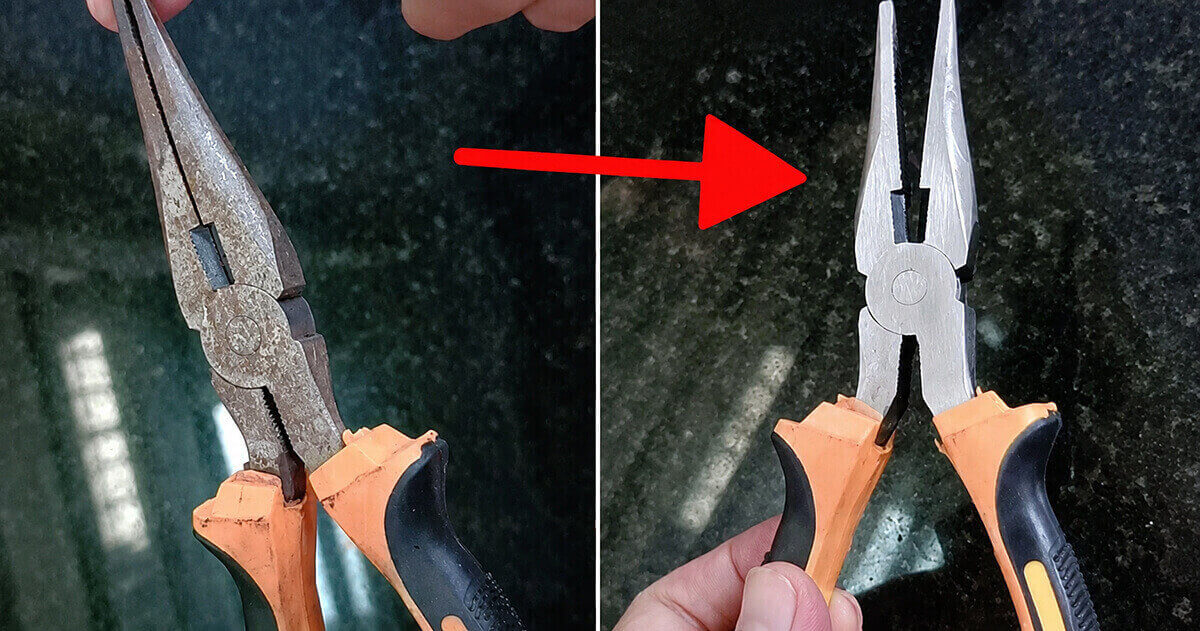
How to maintain pliers
- Store in a dry place: Keep pliers in a dry area with low humidity. Avoid damp locations, concrete floors, or areas near open windows, as moisture can cause rust. Use a desiccant such as silica gel to help absorb moisture in the storage area.
- Organize by type: Store pliers by type, such as needle-nose, cutting, or locking pliers, so they are easy to find. Avoid stacking heavy tools on top of them to prevent bending or damage.
- Regular inspection: Check pliers regularly for signs of wear, rust, or loose joints. Early detection allows for timely cleaning, lubrication, or repair. Ideally, clean and service all pliers at least once a month.
Proper storage and regular inspection help extend the lifespan of pliers and ensure they remain safe, functional, and ready to use.
Conclusion
Armed with the information from this article, you will now be able to regular cleaning, proper lubrication, and careful storage, keep your pliers functional for longer, saving you money by not having to replace your pliers.
If you need to replace them with safer, higher-quality pliers, get your durable and reliable pliers from CRESTONE today!



May Ge
Outdoor Machinery Export Manager 6-Yr Exp 🌍 ∣ BSCI, EPA, EURO V, CE ∣ Generator, High-pressure Washer, Water Pump, Engine, Floor Scrubber ∣ 🚀 24/7 Second Reply
TAIZHOU BISON MACHINERY CO.,LTD | Ningbo University of Technology
Our related blog

how to use vise grips
A step-by-step guide to learn how to use vise grips. Let’s get started.

needle nose pliers vs long nose pliers what is the difference
A comparison of needle nose pliers and long nose pliers to help you choose the right one for your job. Know the differences and more. Let’s get started.

choosing the right pliers for the job
In this blog post, we’ll discuss everything you need to know before choosing the right plier for the job. Let’s get started.

combination pliers vs linesman pliers
A comparison of combination pliers and linesman pliers to help you choose the right one for your needs. Read on to learn more.