

how to use vise grips
Picture this: you’re trying to twist a stuck bolt, but regular pliers keep slipping. That’s where vise grips come in. Vise grips are locking pliers that clamp tightly onto an object so you can let go and use both hands for other tasks. They are useful for loosening bolts, holding pipes, or keeping materials steady while working.
This article explains how to use vise grips, including their parts, proper use, safety tips, and maintenance to keep them working well.

What are vise grips?
Vise grips are a type of locking pliers designed to clamp onto objects and hold them securely, providing a strong, hands-free grip. Unlike regular pliers that require constant hand pressure, vise grips lock in place, making difficult tasks easier.
A typical pair of vise grips includes several main parts:
- Jaws: May be straight or curved depending on the task.
- Adjusting screw: Located on the handle to set the jaw width.
- Release lever: Used to unlock the tool.
- Locking mechanism: Keeps the jaws firmly clamped.
How do vise grips work?
Vise grips use different locking mechanisms to stay in place. The original design uses an adjusting screw under the handle to lock the grip. Some versions also include a pivot system that allows the handles to be adjusted for different widths. Other types use a spring-assisted mechanism that automatically locks the tool in place, making them easier to use and suitable for one-handed operation.
Types of vise grips
There are several types of vise grips designed for different jobs. A key difference between them is the locking mechanism and jaw shape used for specific tasks.
- C-clamp vise grips: As the name suggests, this type closes its jaws in a C-shape. It is commonly used to hold pieces of wood or metal together and is often used in carpentry and welding.
- Curved jaw vise grips: These have an inner jaw shaped in a curved or round form, allowing them to grip cylindrical objects. They are ideal for holding pipes or irregular shapes. The inner jaw surface may be smooth or serrated.
- Straight jaw vise grips: These include flat-nose, long-nose, and sometimes round-nose types, and are designed for flat surfaces. They can have smooth or serrated jaws and are used for gripping nuts, bolts, and other flat materials.
- Needle-nose vise grips: Designed for reaching tight spaces and holding small objects with precision.
Vise grips are versatile tools that can work on metal, wood, bolts, and pipes, making them useful for home repairs, DIY projects, and professional work.

How to use vise grips
A well-stocked toolbox usually includes vise grips, a versatile type of pliers used for gripping, holding, bending, and clamping objects. They are small enough to hold small screws but strong enough to maintain a firm grip until released.
How to adjust vise grips
Proper adjustment is important to get a secure hold without damaging the workpiece.
- Turn the adjustment screw: Rotate the screw at the handle to open or close the jaws until they roughly fit the size of the object.
- Set the jaw size: Adjust the screw so the jaws fit around the object with the right tension — not too loose and not too tight.
- Test the grip: Try locking the vise grips on scrap material first, such as wood, metal, or bolts, to check the fit and improve control.
- Apply proper tension: Squeeze the handles until the jaws lock firmly. The grip should be strong enough to hold the object securely without bending or damaging it.
Step-by-step guide to using vise grips
- Open the vise grips by pressing the release lever on the handle to separate the jaws.
- Place the jaws around the object you want to hold, bend, or clamp.
- Squeeze the handles firmly to lock the jaws in place and secure the grip.
- Use the tool to twist, pull, hold, or shape the object as needed.
- When finished, press the release lever to unlock the jaws and remove the vise grips safely.
Following these steps helps ensure safe and effective use for repairs, DIY projects, and other tasks.
Safety precautions
Using vise grips can make difficult jobs easier, but safety should always come first.
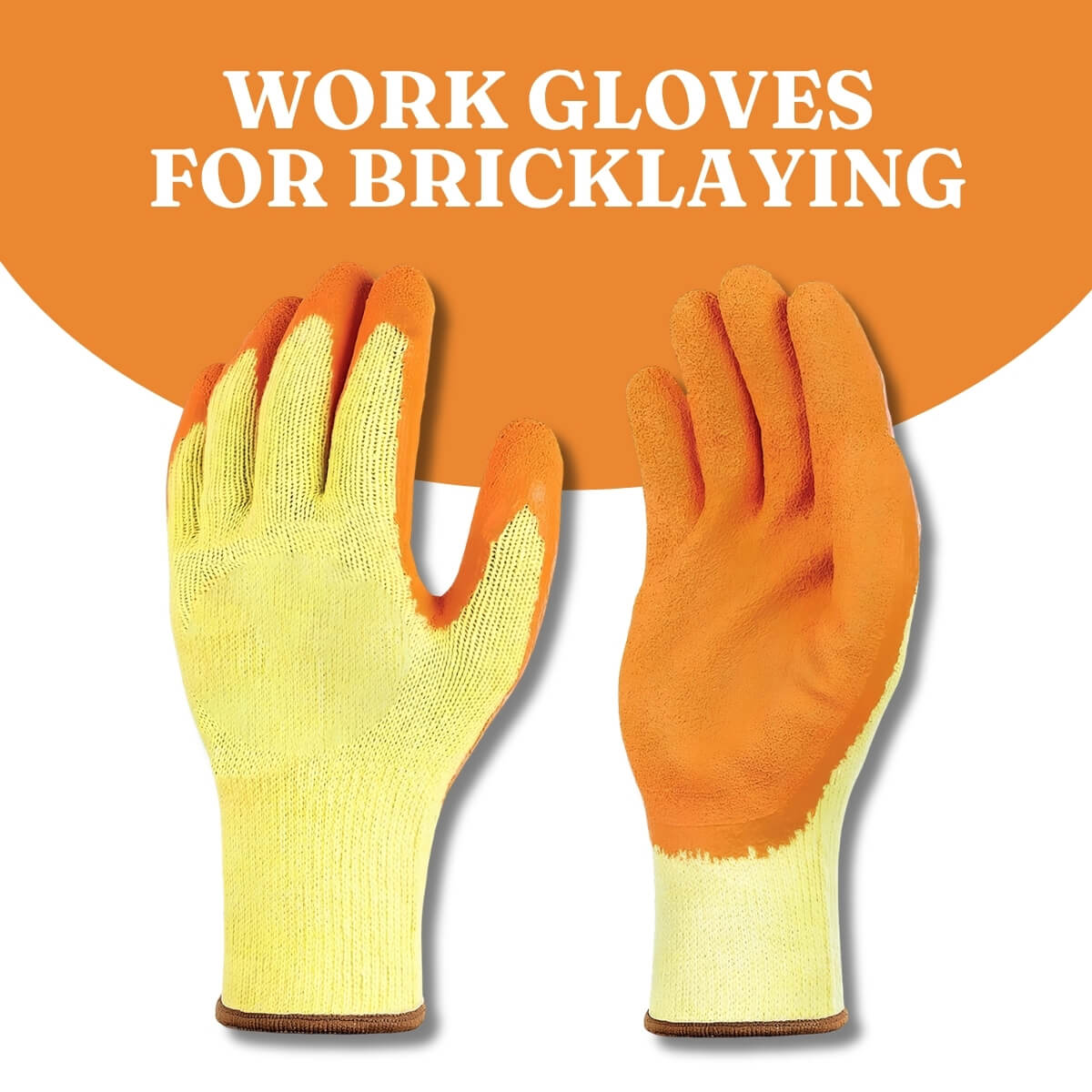
- Wear protective gear: Always use safety glasses and gloves. Glasses protect your eyes from flying debris, while gloves protect your hands from sharp edges and pinching.
- Keep fingers clear of moving parts: Make sure your fingers are away from the jaws and release mechanism to avoid pinches or injuries.
- Stabilize the workpiece: Ensure the object is secure before clamping. A moving piece can cause slipping and lead to accidents or damage.
Daily uses of vise grips
Vise grips are versatile tools used for many everyday and professional tasks.
- Clamping: Vise grips are widely used for clamping due to their strong locking mechanism. They are especially common in welding and metalwork because of their heavy-duty metal build. They are also used in woodworking to hold jigs and components, but care is needed as they may damage bare wood if clamped directly.
- Holding: They are useful for holding materials that are difficult or unsafe to grip directly, such as hot objects or small parts during gluing or soldering. Long-nose types are ideal for precision work and reaching tight spaces, providing stability during welding, cutting, or assembly.
- Pulling nails, staples, and fasteners: Vise grips can remove stubborn nails, staples, and other fasteners that are hard to pull with standard pliers. They are also useful for extracting broken or headless fasteners.
- Loosening stuck fasteners: They can grip and turn rusted or rounded nuts, bolts, and screws that standard tools cannot handle.
- Removing rounded nuts and bolts: When fasteners are too damaged for sockets or wrenches, vise grips can grip and turn them for removal. This method may increase wear, so it is usually a last resort. Some models are designed for better grip on hex shapes.
- Replacing a broken knob or lever: Vise grips can act as a temporary handle when knobs or levers are broken or missing, providing leverage to operate machinery until repair or replacement.
- Wire cutting: Some vise grips include built-in wire cutters, allowing them to cut wires, cable ties, straps, and similar materials.
- Pinching pipes, tubes, and lines: They can temporarily clamp pipes or tubes to stop leaks or control flow during maintenance or repair.
- Driving screws: Vise grips can hold screwdriver bits for light-duty screwdriving when a handle is missing, providing enough torque for simple tasks.
- Light-duty demolition work: They can help bend, break, or pry materials like plastic or thin metal by providing a strong grip and extra leverage.
- Pressing and squeezing: They can be used to crimp connectors, press parts together, or fix small components.
- Bending or shaping metal: They are useful for gripping and bending metal sheets or rods when controlled shaping is needed.
With their strong grip and wide range of uses, vise grips are an essential tool for both simple repairs and professional work.
Tips when using vise grips
Here are some useful tips to help you get the most out of your vise grips and use them more safely and effectively.
- Avoid excessive heat: Do not expose vise grips to high heat. Heat can damage the tool and cause the jaws to expand, which may lead to slipping when gripping an object.
- Avoid over-tightening: Do not lock the jaws too tightly. Tightening just enough to hold the object securely helps prevent damage and slipping. Vise grips are strong, but forcing them beyond their capacity can damage the locking mechanism or bend the jaws.
- Use protective pads: Place soft pads between the jaws and delicate surfaces to prevent scratches, dents, or damage when clamping.
- Choose the right type: Select the appropriate vise grip for the job. Straight jaws are best for flat surfaces, curved jaws for round objects, and needle-nose types for tight spaces. Using the right type improves safety and efficiency. Using the wrong one may cause slipping or damage to the workpiece.
Following these tips helps ensure safer use, better performance, and longer tool life.
Vise grips maintenance
Proper maintenance helps keep vise grips working smoothly, safely, and for a long time.
- Lubricate moving parts: Apply light oil or grease to the adjustment screw, release lever, and pivot points regularly. This helps ensure smooth operation and prevents sticking and premature wear.
- Keep the tool clean: Wipe vise grips after each use to remove dirt, grease, and debris. Clean tools last longer and perform better.
- Store properly: Store vise grips in a dry place to prevent rust and corrosion. Keeping them in a toolbox or on a tool rack works well.
- Inspect for wear or damage: Regularly check the jaws, screws, and handles for cracks, wear, or damage. This helps ensure safe use and maintains strong gripping performance.
Following these simple care steps keeps vise grips reliable and ready for use in any job.

Conclusion
With their versatile design and strong functionality, vise grips are essential tools for gripping, clamping, and extracting, helping you handle tough jobs with ease. By following the steps in this guide and using the right techniques, you can confidently complete tasks that require a secure and reliable grip.
Always prioritize safety, choose the correct size and type for each job, and maintain your tools properly for the best performance. With regular use and practice, vise grips become an important and dependable part of any toolbox.
As a professional vise grips manufacturer in China, CRESTONE provides high-quality tools built to last.
Frequently asked questions
How much pressure can vise grips handle?
Their rugged design allows testing up to 500 lbF (2,500 N). Some self-centering vise grips also have smooth, removable jaws that can be changed to improve gripping performance for pull-testing applications.
What metal are vise grips made of?
Vise grips are made from high-grade, heat-treated alloy steel designed to withstand heavy-duty use and last for years.



May Ge
Outdoor Machinery Export Manager 6-Yr Exp 🌍 ∣ BSCI, EPA, EURO V, CE ∣ Generator, High-pressure Washer, Water Pump, Engine, Floor Scrubber ∣ 🚀 24/7 Second Reply
TAIZHOU BISON MACHINERY CO.,LTD | Ningbo University of Technology
Our related blog

how to maintain and clean pliers
Cleaning and maintaining pliers is important for their longer life. In this blog post, we’ll discuss how to maintain and clean pliers. Read on to learn more.

needle nose pliers vs long nose pliers what is the difference
A comparison of needle nose pliers and long nose pliers to help you choose the right one for your job. Know the differences and more. Let’s get started.

choosing the right pliers for the job
In this blog post, we’ll discuss everything you need to know before choosing the right plier for the job. Let’s get started.

combination pliers vs linesman pliers
A comparison of combination pliers and linesman pliers to help you choose the right one for your needs. Read on to learn more.