

troubleshooting small engine
It’s frustrating when a small engine won’t start or runs poorly—especially when you’re ready to tackle yard work or power essential equipment. From lawnmowers and string trimmers to pressure washers and portable generators, these machines depend on small engines to get the job done.
In this guide, MATCHUP will cover common small engine problems and show you how to troubleshoot and fix them yourself. Always follow safety precautions, and if a repair feels too risky or complicated, contact a professional. Let’s get started.
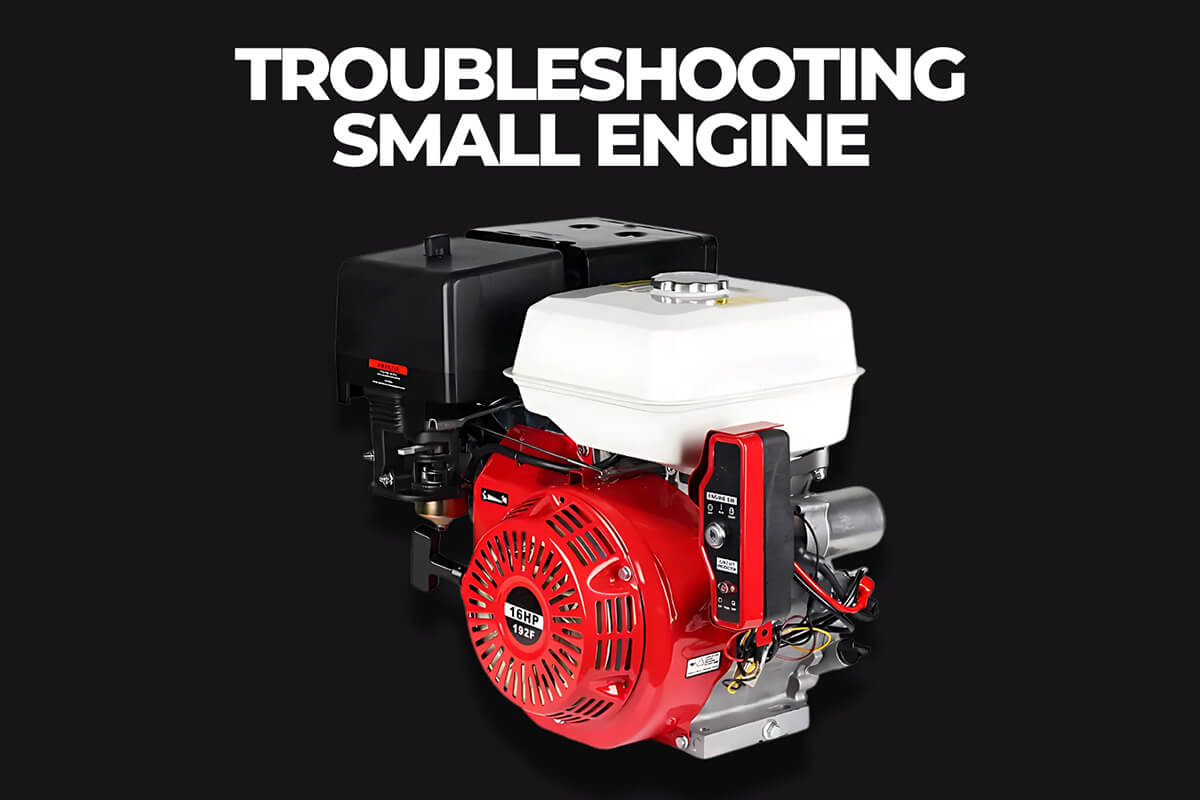
Understanding the basics of small engines
To diagnose small engine problems effectively, it helps to understand how the engine works.
A small engine starts through the precise combination of air, fuel, and a spark. Combustion occurs only when these components are correctly mixed and timed. If any part of this process is off, the engine may fail to start or run properly.
Common signs that your small engine needs attention include:
- Won’t start – fails to run even after several pulls
- Runs rough – shaky, uneven, or erratic sound
- Stalls – starts but quickly dies
- Loses power – struggles under normal load
- Unusual noises – knocking or grinding may indicate internal wear or damage
Common small engine problems
Here are some of the most common small engine issues and simple ways to identify and address them:
Bad or stale gas
Old or degraded gasoline is a leading cause of small engine problems. If your engine is hard to start or runs rough, check the fuel first.
- Symptoms: hard starting, rough running, or no start.
- Cause: gasoline degrades quickly, separating and absorbing moisture, which corrodes metal parts, fuel lines, and rubber seals, forming sticky deposits in the carburetor.
- Solution: use fresh fuel (preferably less than 20 days old) and add a fuel stabilizer if storing for long periods. Drain old gas from the tank and carburetor before storage to prevent clogs and sticky parts.
Oil check
Proper oil levels and quality are critical for engine longevity.
- Check: always inspect the oil level and appearance before running the engine, especially when cold.
- Change: follow the manufacturer’s recommended intervals, typically every 20–50 hours of use.
- Benefit: fresh oil keeps parts lubricated and prevents excessive wear.
Too much fuel (flooding)
Flooding happens when excess fuel enters the cylinder, preventing the engine from starting.
- Causes: over-priming, a closed choke, a stuck valve, gummed carburetor, or attempting a restart too quickly.
- Check: remove the spark plug; if it’s wet with fuel, the engine is flooded.
- Solution: let the cylinder dry before restarting, or use compressed air to speed the process. If the plug isn’t wet and there’s no fuel smell, the problem may be insufficient fuel instead.
Air filter issues – “can’t breathe”
A clean air filter is essential for engine performance. A clogged or dirty filter restricts airflow, which can damage pistons and cylinder walls over time.
- Symptoms: engine runs poorly, stalls, or may eventually seize.
- Solution: check the air filter regularly. Clean or replace it as soon as it becomes dirty to ensure your engine breathes properly and runs efficiently.
Bad spark plug
If the engine has sufficient fuel and air but still won’t start, the spark plug or ignition system may be the culprit.
- Causes: worn or dirty spark plugs, incorrect electrode gap, broken spark plug wire, or a faulty ignition module.
- Check: remove the spark plug and inspect for dirt or wear. Test the ignition module by checking for a spark arc between the plug and boot.
- Solution: replace spark plugs annually or after ~100 hours of use, adjust the gap according to the operator’s manual, and repair or replace faulty ignition components. Proper spark ensures reliable starting and smooth engine operation.
Dirty carburetor
The carburetor regulates the mixture of air and fuel in the engine.
- Symptoms: hard starting, rough running, stalling, or loss of power.
- Solution: clean the carburetor to remove dirt, gum, or debris. Regular maintenance prevents fuel flow issues and keeps the engine running smoothly.
Step-by-step small engine troubleshooting
Fixing a small engine problem is easier when you follow a systematic plan. Here’s a simple five-step process to help you identify and possibly resolve common issues.
# step 1: basic visual inspection
Start with a thorough look at your engine. Clean off dirt, grass, and debris to spot potential issues early. Check for:
- Fuel or oil leaks around the engine
- Loose or missing nuts, bolts, or parts
- Sufficient fuel in the tank and open fuel valve
Fix anything obvious first, like tightening loose parts or refilling fuel.
# step 2: check the fuel system
Fuel powers your engine, so make sure it’s clean and flowing properly:
- Use fresh gasoline; drain old or stale fuel.
- Inspect fuel lines and filters for clogs.
- Ensure the carburetor is clean; use carb cleaner if necessary.
# step 3: inspect the air system
Engines need proper airflow to run efficiently:
- Check the air filter and clean or replace it if clogged.
- Make sure nothing is blocking the air intake or engine cooling fins.
# step 4: test the ignition system
The spark is what ignites the fuel-air mixture:
- Remove the spark plug and check for dirt or wear; clean or replace if needed.
- Test for spark by grounding the plug on the engine and pulling the starter.
- If no spark appears, the ignition coil or spark plug wire may be faulty.
# step 5: examine mechanical components
If the engine still won’t run, the issue may be internal:
- Listen for unusual noises like knocking or grinding, which could indicate piston or valve issues.
- Check oil level and quality; low or dirty oil can cause engine damage.
- For suspected internal damage, contact a professional rather than attempting risky repairs.
Following these five steps helps you diagnose and often fix small engine problems safely. Always handle fuel and engine parts with care, and seek professional help when in doubt.

Conclusion
Troubleshooting a small engine that won’t start or runs poorly requires a patient, systematic approach to identifying and resolving common issues. Following a clear process helps you fix many problems safely and effectively.
However, persistent issues may signal more serious internal damage, which could mean it’s time to consider a replacement engine. Recognizing the limits of your current engine is essential to avoid further damage or wasted effort.
Above all, prioritize safety. If you’re ever uncertain or the repair seems too complex, seek professional help. With careful maintenance and attention, your small engine can remain reliable and perform well for years to come.





May Ge
Outdoor Machinery Export Manager 6-Yr Exp 🌍 ∣ BSCI, EPA, EURO V, CE ∣ Generator, High-pressure Washer, Water Pump, Engine, Floor Scrubber ∣ 🚀 24/7 Second Reply
TAIZHOU BISON MACHINERY CO.,LTD | Ningbo University of Technology
Our related blog

what is kickback in an engine
Learn what engine kickback is, why it happens, and how it can affect your engine’s performance and safety.

how do you make a small engine last longer
Make a small engine last longer by following essential tips for small engine care, maintenance, and efficient operation.

how do you adjust a small engine carburetor?
Home Table of Contents Small engines are the hardworking heart behind many of the tools and machines we rely on every day — from rototillers

how to repair small engines
Learn how to repair small engines with this step-by-step guide, which covers common problems, fixes, and preventative maintenance tips.