

how does a pressure washer work
You’ve just hosted a weekend barbecue, and now your patio is covered in grease stains, spilled drinks, and muddy footprints. No amount of scrubbing with a sponge seems to make a dent.
Unlike traditional cleaning methods, pressure washers save time, reduce physical effort, are indispensable tools for cleaning a wide range of surfaces, from residential tasks such as washing cars or driveways to large-scale commercial applications. They deliver a powerful, high-pressure stream of water that removes dirt, grime, mold, oil stains, and other harsh contaminants. By forcing water through a nozzle, they create a concentrated, high-speed stream that can remove even the most stubborn dirt and debris.
While pressure washers come in various sizes and power ratings, they all operate on the same basic principle: converting the force of water into a powerful jet stream that cleans effectively and efficiently.
In this article, MATCHUP will explain how pressure washers work, break down their key components, explore the main types, and share essential safety tips so you can tackle even the toughest messes efficiently and safely.
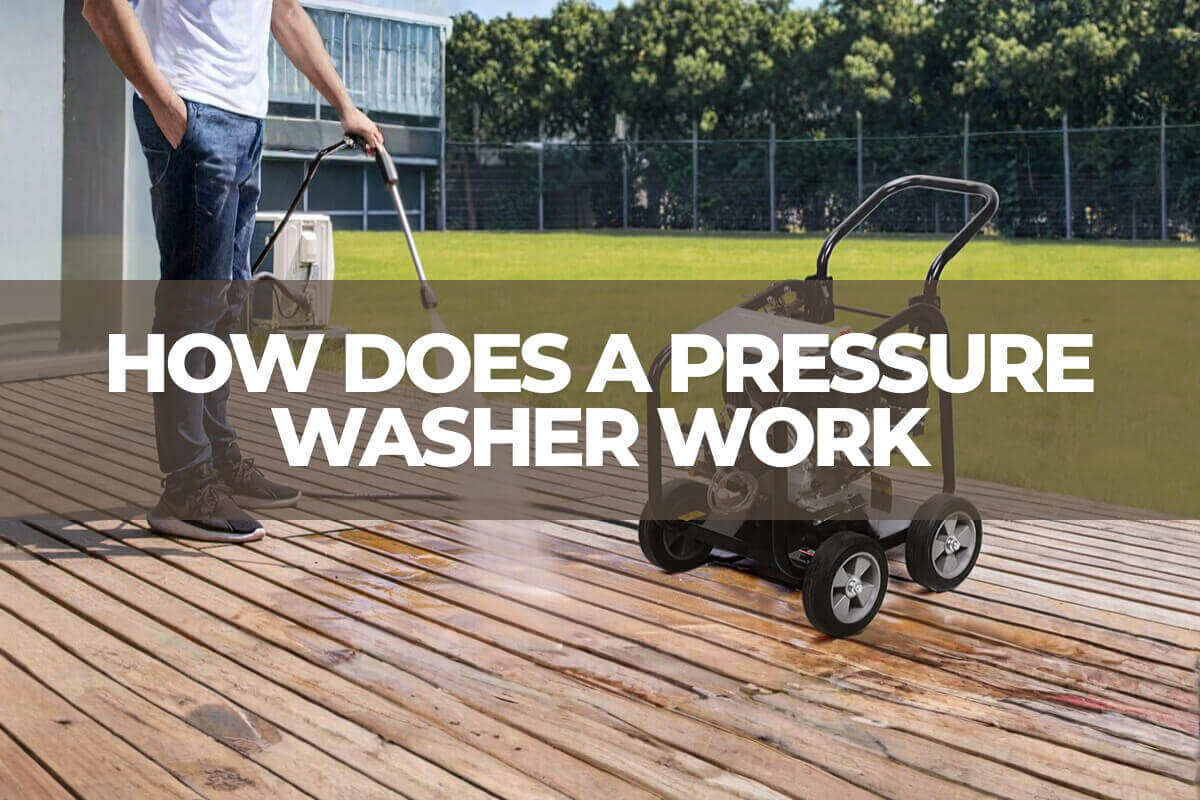
Pressure washer components
A pressure washer is made up of several key components that work together to deliver a high-pressure water stream for effective cleaning. Understanding the function of each part helps you use the machine more effectively. Below is an overview of the essential components found in most pressure washers:
Motor or engine
The motor or engine powers the pressure washer, driving the high-pressure water pump. Pressure washers typically come with two types of motors:
- Electric motor: These are found in smaller, light-duty pressure washers. Electric motors are generally quieter, require less maintenance, and are ideal for residential tasks such as cleaning cars, patios, or small driveways.
- Gas engine: Gas-powered pressure washers are more robust and suitable for heavy-duty commercial or industrial cleaning tasks. They provide high psi and gpm (gallons per minute) rates, making them ideal for tough jobs such as removing oil stains, cleaning large areas, or cleaning industrial machinery.
The motor or engine serves as the driving force for the pressure washer, supplying the power necessary to pump water through the system.
High-pressure pump
The high-pressure pump is the heart of the pressure washer, converting the motor’s energy into pressurized water. It draws water from the hose and forces it through the system at extremely high pressure. There are two basic types of pumps:
- Axial pumps: Typically found in lower-end models, axial pumps are less durable but practical for light cleaning tasks. They are self-priming and are often used in electric pressure washers, consumer-grade pressure washers.
- Triplex pumps: These pumps are more durable and designed for heavy-duty use. They provide higher pressure, are more consistent, and last longer than axial pumps. They are found in gas-powered pressure washers and are ideal for commercial and industrial use.
Water intake (garden hose connection)
The water intake valve is where the pressure washer connects to the water supply. Typically, a garden hose is connected to this valve, which allows water to flow into the pressure washer. The water inlet valve should securely attach to ensure that water flows through the system without leaks.
Additionally, some pressure washers come with built-in filters to help keep debris and dirt out of the pump, protecting it from damage. These filters should be cleaned regularly to preserve the machine’s functionality and increase its lifespan.
Nozzle
The nozzle controls the flow, direction, and pressure of the water, and is attached to the end of the spray wand. It creates the final restriction that converts pressurized water into a high-velocity stream, allowing the washer to effectively remove dirt, grime, and stains.
Every nozzle has a different spray pattern and is available in a variety of sizes and shapes. Different nozzle sizes or spray angles affect the concentration of the water force, making the pressure washer versatile for a variety of cleaning tasks.
Common nozzle types:
| Nozzle Type | Color | Description and Applications |
|---|---|---|
| 0° Nozzle | Red | Produces a concentrated, high-pressure, high-impact solid water jet for tough, deep cleaning and removing the toughest dirt or stains on hard surfaces. Use with caution, as it can damage delicate surfaces. |
| 15° Nozzle | Yellow | Delivers a narrow, powerful spray ideal for removing stubborn dirt, grease, or paint from small areas; suitable for general cleaning tasks on concrete or brick. |
| 25° Nozzle | Green | A medium-angle spray that balances power and coverage, perfect for general cleaning tasks like patios, driveways, or decks. These nozzles spread the water over a wider area, reducing pressure but increasing coverage. |
| 40° Nozzle | White | Provides a wide, gentle, fan-shaped spray for delicate surfaces such as windows, vehicles, and painted surfaces. These nozzles spread the water over a wider area, reducing pressure but increasing coverage, which is ideal for wood or glass. |
| Soaper | Black | Designed to apply detergents or cleaning solutions efficiently, allowing chemicals to cling to surfaces before rinsing. |
| Turbo nozzle | Black | Also known as a rotary nozzle, the turbo nozzle combines high pressure with a spinning motion, creating a rotating jet that increases cleaning power without increasing psi. It is ideal for heavy-duty tasks such as removing tough grime, moss, or oil stains from concrete or metal surfaces. |
Different nozzles — ranging from wide fan sprays to concentrated jets — allow you to changing the nozzle to different surfaces and cleaning tasks, can alter the pressure intensity and the cleaning effect, maximizing efficiency while minimizing potential damage.
Trigger gun
The trigger gun is the part of the pressure washer you hold while using the machine. It is connected to the spray wand and controls the water output. By squeezing the trigger, you engage a high-pressure stream of water and release it, stopping the flow. A safety feature is often included with trigger guns to prevent unintentional activation, particularly when the device is not in use. Additionally, some trigger guns feature a pressure adjustment, allowing users to control the water flow and pressure without needing to change the machine’s nozzles or settings.
Detergent tank/chemical injector
Many pressure washers come equipped with a detergent tank or chemical injector. This system allows you to add detergent or cleaning chemicals directly to the water stream. The chemicals help break down grease, oil, mold, and stains, improving the pressure washer’s effectiveness on hard surfaces.
Hoses
There are two main types of hoses:
- High-pressure hose: The pressure washer is connected to the spray wand and nozzle by a high-pressure hose designed to handle the high psi generated by the pump. It carries pressurized water from the pump to the trigger gun without bursting, while remaining flexible and durable enough to prevent leaks.
- Water supply hose: This is the hose that connects the pressure washer to a water source, such as a garden hose or faucet. It usually does not need to withstand high pressure, but it should be long enough to maneuver easily.
Regularly inspecting the hoses for cracks and tears is crucial because damage can result in decreased functionality or water leaks.
Frame and wheels
While not directly involved in the cleaning process, the frame and wheels of a pressure washer play a vital role in making it portable and easy to move. The frame supports the motor, pump, and other components, providing stability to the machine. Many gas-powered pressure washers come equipped with wheels, enabling easy transportation, particularly when cleaning large outdoor areas. Electric models can be smaller and lighter but often feature compact frames for portability.
By combining these components, pressure washers turn ordinary water into a high-powered cleaning tool, making them versatile and highly effective. At MATCHUP, we design each component for durability, efficiency, and reliable performance, ensuring every pressure washer delivers professional-level results.
How a pressure washer operates step by step
Step 1: water intake
The process begins when water enters the pressure washer through the inlet, typically connected to a garden hose or external source. A built-in filter prevents debris, sand, or impurities from entering the pump and protects internal components. A constant supply of clean water is essential for proper operation.
Step 2: powering the pump
The motor (electric) or engine (gas-powered) provides the mechanical energy needed to drive the pump. Electric motors convert electrical energy into motion, while gas engines use internal combustion. Both serve the same purpose — powering the pump to move water through the system.
Step 3: high-pressure pump
The pressure washer pump is the core of the system, where pressure is created. Pistons or plungers move back and forth, drawing in water and forcing it through a chamber, which compresses the water and increases its pressure. Pressure washers typically use axial or triplex pumps, depending on the model and intended use.
Step 4: pressurized water output
The compressed water is pushed through a high-pressure hose to the trigger gun and wand. Pressure is measured in pounds per square inch (psi), which represents the force of the water hitting the surface — higher psi means stronger cleaning power.
In addition to pressure, water flow is another critical factor in pressure washer performance. Flow rate, measured in gallons per minute (gpm), refers to the amount of water pumped over time. Gpm indicates how fast water flows through the system, and a higher gpm allows more dirt and debris to be washed away quickly, enabling faster cleaning.
Step 5: nozzle controls spray pattern and pressure
At the end of the wand, the nozzle determines the spray pattern and intensity. Wide-angle nozzles cover large surfaces quickly, while narrow or turbo nozzles concentrate the water into a powerful jet for stubborn stains.
Step 6: bypass/unloader valve maintains safety
A bypass or unloader valve ensures the system operates safely when the trigger gun is not engaged. It redirects excess pressurized water back to the pump inlet or to a safe outlet, preventing overpressure that could damage the pump or hose.
By following these steps, a pressure washer efficiently converts ordinary water into a high-pressure cleaning force.
In summary, the mechanical advantage of a pressure washer lies in this pressurization process. By forcing water through a small nozzle at high pressure, the machine multiplies the water’s natural force, creating a concentrated jet that can reach into cracks, crevices, and uneven surfaces.
In addition, every step of each MATCHUP pressure washer is optimized to improve performance, reliability, and safety, ensuring consistent results every time.
The combination of PSI and GPM: the ideal balance
Two key factors determine a pressure washer’s cleaning performance: pressure (psi) and flow rate (gpm). While psi measures the force of the water, gpm determines how much water flows to clear debris. A pressure washer with high psi but low gpm can handle tough stains but may clean large surfaces more slowly than a model with both high psi and high gpm. When both are optimized, the machine delivers more effective cleaning performance.
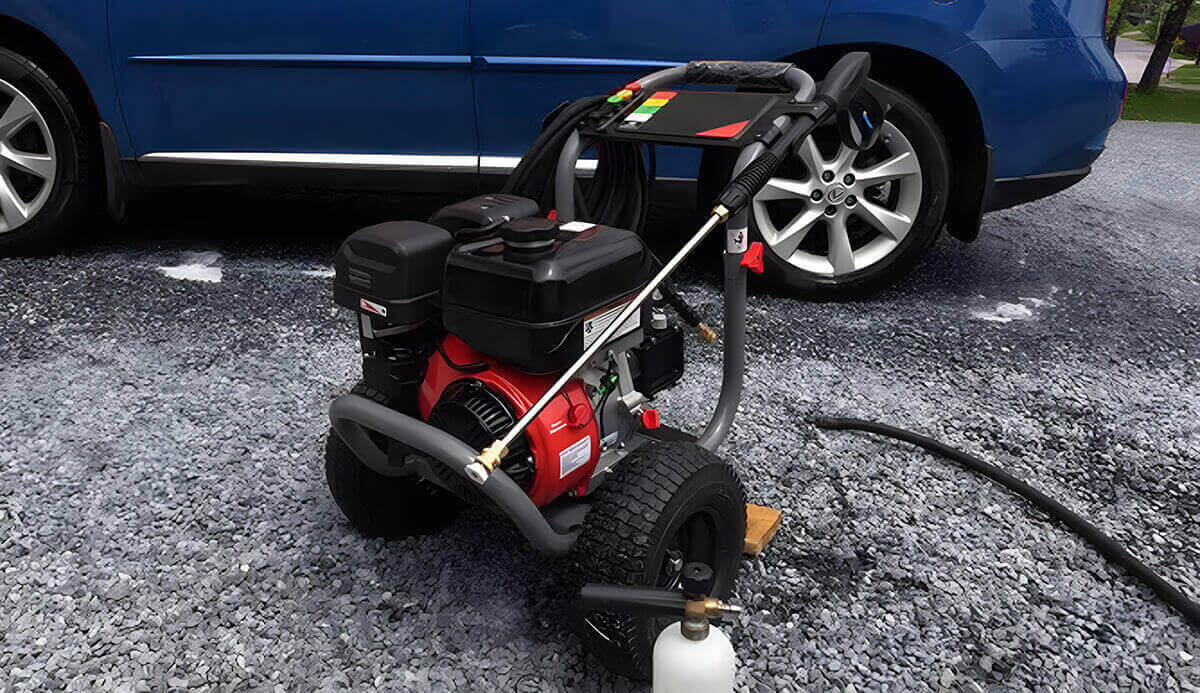
Types of pressure washers
Pressure washers come in different types, electric and gas-powered pressure washers are the two primary varieties, along with cold and hot water models. Understanding these differences can help you choose the right model for your needs.
Electric pressure washers
Electric pressure washers are quieter, lighter, and more compact, making them ideal for home use and light to medium cleaning tasks such as washing cars, patio furniture, driveways, and small decks. They are easy to operate, require minimal maintenance, and can be used indoors if needed.
However, due to their lower psi ratings, they may not be suitable for demanding jobs like cleaning large surfaces or industrial machinery.
Gas-powered pressure washers
Gas-powered pressure washers offer more power and mobility, making them suitable for commercial and industrial settings. They can produce higher psi and flow rates, making them effective for heavy-duty outdoor cleaning, such as driveways, large patios, or removing stubborn grime from concrete and metal surfaces.
They are more portable since they do not require a power outlet, but they are noisier, heavier, more expensive, and require more maintenance.
Cold water pressure washers
Cold water pressure washers are the most common and are suitable for general cleaning tasks. They effectively remove dirt, mud, dust, and light stains from most surfaces.
Hot water pressure washers
Hot water pressure washers heat the water before spraying, improving cleaning efficiency, especially for greasy or oily surfaces. They are widely used in commercial and industrial applications, such as cleaning equipment, machinery, or heavily soiled concrete, as hot water helps break down grease and grime more effectively.
By understanding the types of pressure washers and their ideal applications, you can select the right tool for the job and achieve the best cleaning results. MATCHUP offers a wide range of electric, gas, hot, and cold water pressure washers, engineered to provide reliable performance for every cleaning need.
Common uses of pressure washers
Pressure washers are versatile cleaning tools used in both residential and industrial settings.
Residential applications
- Driveways and walkways: easily remove dirt, oil stains, and mildew, restoring concrete or stone surfaces to a clean, bright appearance.
- Decks and patios: clean wooden or composite decks and patios without damaging the material, removing dirt, moss, and algae buildup.
- Siding: safely clean vinyl, brick, or stucco siding, removing grime, mold, and pollen that accumulate over time.
- Vehicles: wash cars, trucks, motorcycles, or bicycles efficiently, reducing scrubbing and ensuring a streak-free finish.
- Outdoor furniture: restore plastic, metal, or wooden furniture by removing dust, dirt, and mildew, extending its lifespan and appearance.
Industrial applications
- Machinery and equipment: remove grease, oil, dirt, and residues from heavy machinery, engines, or construction equipment, improving performance and maintenance.
- Commercial surfaces: clean factory floors, loading docks, and storage areas where dirt and grime accumulate rapidly.
- Food processing and hospitality: hot water pressure washers are often used to maintain hygiene by removing grease and food residues from equipment and surfaces.
Whether it’s a household cleanup or heavy-duty industrial task, pressure washers make cleaning faster, safer, and more efficient.
Safety tips and best practices
Using a pressure washer can make cleaning easier and faster, but it’s important to follow safety guidelines to prevent accidents and ensure optimal performance. If proper precautions are not taken, using a pressure washer can be dangerous.
- Wear protective gear: always wear safety goggles, gloves, long pants, and closed-toe shoes to protect yourself from high-pressure water, flying debris, and chemicals.
- Select the proper nozzle: choose the correct nozzle for the task. Using a high-pressure nozzle on delicate surfaces can cause damage, while a wide-angle nozzle may not provide enough cleaning power for tough grime.
- Maintain a safe distance: keep a safe distance between the nozzle and the surface being cleaned. Too close can cause damage or injury; too far reduces cleaning efficiency.
- Inspect hoses and connections: Before each use, keep the hose free of kinks or obstructions. Check hoses, fittings, and connections for leaks, cracks, or wear. Replace damaged parts immediately.
- Be careful when using an electric model around electrical outlets.
- Avoid electrical hazards: ensure the power cord is in good condition and connected to a properly grounded outlet. Keep the pressure washer, cord, and connections away from water puddles.
- Follow manufacturer guidelines: read the user manual for operating instructions and safety warnings. Do not use a pressure washer on delicate surfaces, such as windows or paint, without first testing the pressure. Never point the nozzle at people, animals, or yourself.
- Use detergents safely: only use recommended detergents, avoid mixing chemicals, and follow instructions for dilution and application.
By following these safety tips and best practices, you can clean effectively while minimizing risks.
Maintenance tips
Proper maintenance is essential to keep your pressure washer running efficiently and extend its lifespan. Following these tips can prevent damage, reduce downtime, and ensure consistent cleaning performance.
- Clean nozzles and filters: regularly inspect and clean the nozzles and water inlet filter. Clogged components can reduce pressure, damage the pump, and affect cleaning efficiency. Use a nozzle cleaning tool or a small pin to remove debris safely.
- Check hoses for leaks: examine high-pressure hoses, connections, and fittings for cracks, leaks, or wear before each use. Replace damaged parts immediately to prevent water loss, reduced performance, or safety hazards.
- Proper storage: store your pressure washer in a dry, cool place, away from direct sunlight and freezing temperatures. For gas-powered models, drain the fuel or add a stabilizer before long-term storage. Electric models should be kept away from moisture to avoid damage.
- Lubricate and inspect moving parts: periodically check and lubricate moving parts, such as pump pistons or motor components, if recommended by the manufacturer. Proper lubrication reduces wear and extends the machine’s life.
By adhering to these maintenance tips, you can maximize the performance and durability of your pressure washer.

Conclusion
Pressure washers are robust, versatile tools that make cleaning easier and more efficient. By understanding how they work, you can clean a wide range of surfaces, including driveways, vehicles, and industrial machinery. These machines use high-pressure water and mechanical principles to remove dirt, grime, and stubborn stains efficiently.
By converting ordinary water into a high-velocity stream, pressure washers save time, reduce physical effort, and deliver professional-level results for both residential and industrial applications. You can achieve the best results by selecting the right pressure washer for your needs and following proper safety precautions, whether using an electric or gas-powered model.
Always remember safety first — select the correct nozzle for each task, maintain a safe distance, and never point the spray at people, pets, or delicate surfaces. Following proper safety and maintenance practices ensures effective and accident-free cleaning. As a trusted professional pressure washer manufacturer in China, MATCHUP offers reliable, high-quality machines designed for performance, durability, and safety. Invest in a MATCHUP pressure washer to make your cleaning tasks faster, easier, and safer, and experience the difference that professional-grade equipment can bring.
Frequently asked questions
Is it possible to clean my car with a pressure washer?
Yes, cars can be cleaned with pressure washers, but use caution. Use a pressure washer with a low psi (around 1,200–1,500 psi) and a wide nozzle (25° or 40°). Keep the nozzle at least 12 inches from the car’s surface to prevent damage to the paint. Be sure to avoid spraying directly on sensitive areas, such as mirrors or seals.
Is it safe to use a pressure washer indoors?
Using a pressure washer indoors, especially a gas-powered model, is not recommended due to the risk of carbon monoxide poisoning. Always use a pressure washer outdoors in a well-ventilated area. Although electric models are safer indoors, electrical safety regulations must be strictly adhered to, particularly in damp environments.
Can I use a pressure washer to remove paint?
Pressure washers can remove paint, especially when using concentrated sprays at close range. However, be careful when using a pressure washer to remove paint, as the high-pressure water can damage the underlying surfaces. For this task, it is recommended to use a 0° nozzle and reduce the psi to prevent damage to the material.



May Ge
Outdoor Machinery Export Manager 6-Yr Exp 🌍 ∣ BSCI, EPA, EURO V, CE ∣ Generator, High-pressure Washer, Water Pump, Engine, Floor Scrubber ∣ 🚀 24/7 Second Reply
TAIZHOU BISON MACHINERY CO.,LTD | Ningbo University of Technology
Our related blog

what is the right pressure washer PSI
Confused about pressure washer PSI? Learn how to select the ideal PSI for safe and effective cleaning on any surface. Read on to learn more.

how to pressure wash your home
Ready to refresh your home’s exterior? This complete homeowner’s guide will teach you how to pressure wash your home correctly.

electric vs. gas pressure washers
Compare electric and gas pressure washers to determine which one is best suited for your home or commercial cleaning needs. Learn the pros, cons, and uses of each type etc.

why does my pressure washer have low pressure?
our team of experts will walk you through the most common reasons for low pressure on your pressure washer and show you how to get your machine back to peak performance.